
close
Choose Your Site
Global
Social Media
Views: 0 Author: Site Editor Publish Time: 2025-10-20 Origin: Site


When you look at Masterbatch vs. Compounding for injection molding, the best choice depends on your specific needs. If you want colors to always look consistent and desire easy quality checks, you need to select the right colorants. Additionally, it's important to ensure your machines are set up correctly. Consider the costs involved and the tools you have at your disposal. The masterbatch market is growing rapidly, particularly for color applications in injection molding. As you read, reflect on what is most important for your work.
Masterbatch lets you change colors fast during production. This is good for projects that need to be flexible.
Compounding gives you material that is ready to use and always the same. It works well for big jobs where everything must match.
Using masterbatch can help save money. You only need a little to color a lot of resin.
Compounding works better for special uses that need certain things, like heat resistance or chemical safety.
Think about how much you will make and what you need. This helps you pick masterbatch or compounding to save time and money.
Masterbatch is a strong mix of additives and pigments in a carrier resin. You use it to give plastics color or special features during injection molding. You only need to add a little bit, about 1 to 5% by weight, to your main polymer. The main things in masterbatch are:
Polymers like polyethylene (PE), polypropylene (PP), or polyethylene terephthalate (PET)
Pigments for color, like organic, inorganic, or carbon black
Additives for things like UV stability or flame resistance
Carrier resins that help spread everything evenly
Making masterbatch takes a few steps. First, you dry and clean all the materials. Next, you weigh and mix the additives. Then, you melt and blend the mix in an extruder. After that, you turn the melted mix into small pellets. Last, you check for bad pellets and pack the good ones.
Tip: Masterbatch lets you change color or features during production without switching your main material.
Compounding is when you mix the base polymer with all the needed additives and pigments. This makes a material that is ready to use. You do not have to add anything else before injection molding. The process uses strong mixing machines, like twin-screw extruders, to mix everything well. Compounding helps you control the final product’s strength, color, and how it handles heat or chemicals.
Here is a table to help you see the differences between masterbatch and compounding:
Aspect | Masterbatch | Compounding |
|---|---|---|
Definition | Strong additives in a carrier resin, added to base polymers. | Full mix of polymer and additives, ready to use. |
Application | Changes base material’s properties (color, UV resistance). | Used right away to make finished products with set features. |
Usage Ratio | Added in small amounts (1–5% by weight). | Takes the place of raw polymer in production. |
Production Process | Made in extruders, mixed with additives. | Fully mixed in extruders, ready for use. |
Final Product | Must mix with raw materials for the effect you want. | Ready-made, no extra mixing needed. |
When you compare Masterbatch and Compounding, you see masterbatch is flexible and easy for color changes. Compounding gives you a finished material with exact features.
Masterbatch and Compounding work in different ways. With masterbatch, you add a strong mix of color or additives to your base resin. You only need a little bit to get the color or effect you want. You can change how much masterbatch you use to adjust the color or properties. This makes it easy to switch colors fast. It helps when you need to make many products.
Compounding is not the same. You get a blend that is already mixed and ready to use. All the additives and base resin are together. You do not need to add anything else before molding. This gives you the same material every time. You do not have to measure or mix at your machine. This saves time and helps avoid mistakes.
Here is a table that shows the main process differences:
Feature | Masterbatch | Compounds |
|---|---|---|
Composition | Concentrated mixtures of additives in a carrier resin | Pre-mixed blends of base resin and additives |
Processing | Added to base resin during processing | Ready-to-use materials, no further processing needed |
Flexibility | Allows for adjustment of additive concentrations | Tailored solutions for specific applications |
Note: Masterbatch lets you change colors at the machine. Compounding is easier if you want less work during production.
Masterbatch and Compounding are good for different jobs. Masterbatch is best when you need to change colors or additives a lot. If you make toys in many colors, you can use masterbatch to switch shades quickly. You only need a few base resins and some masterbatch colors.
Compounding is better when you need the same properties in every part. If you make car parts that must be safe, you can use compounds with the right mix. This way, every part is the same. You do not have to worry about mixing mistakes.
Here is a table that shows how each method is used:
Aspect | Masterbatch | Compounding |
|---|---|---|
Flexibility for Color | Allows quick color changes | Slower due to on-site mixing |
Dosing Precision | High precision in dosing | Less precise |
Storage Requirements | Requires more storage space | Generally less storage needed |
Lead Time | Longer lead times | Shorter lead times |
Additive Dispersion | Better dispersion due to premixing | Potential issues with dispersion |
Tip: Masterbatch is good if you make many products with different colors. Compounding is better if you want every product to be the same.
Masterbatch and Compounding each have their own strengths. Masterbatch is very flexible. You can change the amount of color or additive at the machine. This is helpful if you need to make changes for different customers. For example, you can make blue parts and then switch to red fast.
Compounding is good for special needs. If you need plastic that resists heat or chemicals, you can order a compound made for that. But if you want to change the formula, you must order a new batch. This takes more time and planning.
Here is a table that shows how flexible each method is:
Material Type | Flexibility | Notes |
|---|---|---|
PVC Compound | Low | Fixed formula, requires reordering for different formulations. |
Masterbatch | High | Allows adjustment of additive ratios, suitable for frequent changes in product characteristics. |
Remember: Masterbatch lets you change things fast. Compounding gives you a finished product with set features, but you cannot change it easily.
When you choose between Masterbatch and Compounding, think about how often you need to change colors or properties. If you want fast changes and easy adjustments, masterbatch is best. If you need the same features every time, compounding is better.
When you look at masterbatch and compounding, you notice cost differences. Masterbatch costs less for each kilogram. You only need to use a little masterbatch with your resin. This helps you save money if you want to change colors or add simple features. Compounding mixes everything together in one step. This costs more because you pay for special blends and extra mixing.
Here is a table that shows the cost differences:
Feature | Masterbatch | Compounding |
|---|---|---|
Process | Additive or pigment mixed in resin | Full mix of polymer, additives, fillers |
Cost | Lower, good for color and function | Higher, because of custom mixes |
Flexibility | High for color and basic features | Very high for advanced, custom features |
Performance | Even color, basic improvements | Better strength, heat, and chemical |
Application | Packaging, films, molding, sheets | Cars, electronics, high-performance |
You can also check the price range for each material:
Material Type | Price Range (per kg) |
|---|---|
Color Masterbatch | $0.5 - $18 |
Additive Masterbatch | $0.5 - $29.3 |
Filler Masterbatch | $0.5 - $3.5 |
Typical Resin | $1.5 - $3.5 |
Tip: If you want to save money when making lots of products, masterbatch is usually the best choice.
Color consistency is very important in injection molding. You want every part to look the same every time. Masterbatch gives you great color consistency, especially for big batches. You can trust your products will match from one batch to the next. Compounding also works well, but sometimes the color can change a little if the mix is not perfect.
Here is a table that compares each method:
Method | Color Consistency | Cost per Unit | Order Quantity |
|---|---|---|---|
Masterbatch | Very good | Lower | High volume production |
Compounding | Fairly good | Higher | Minimum one ton |
Note: If you need colors to match exactly, masterbatch usually gives better results.
When you choose between masterbatch and compounding, think about your budget and how much color consistency matters. If you want to spend less and need every part to look the same, masterbatch is a good choice. If you need special features or stronger materials, compounding might be worth the higher cost.
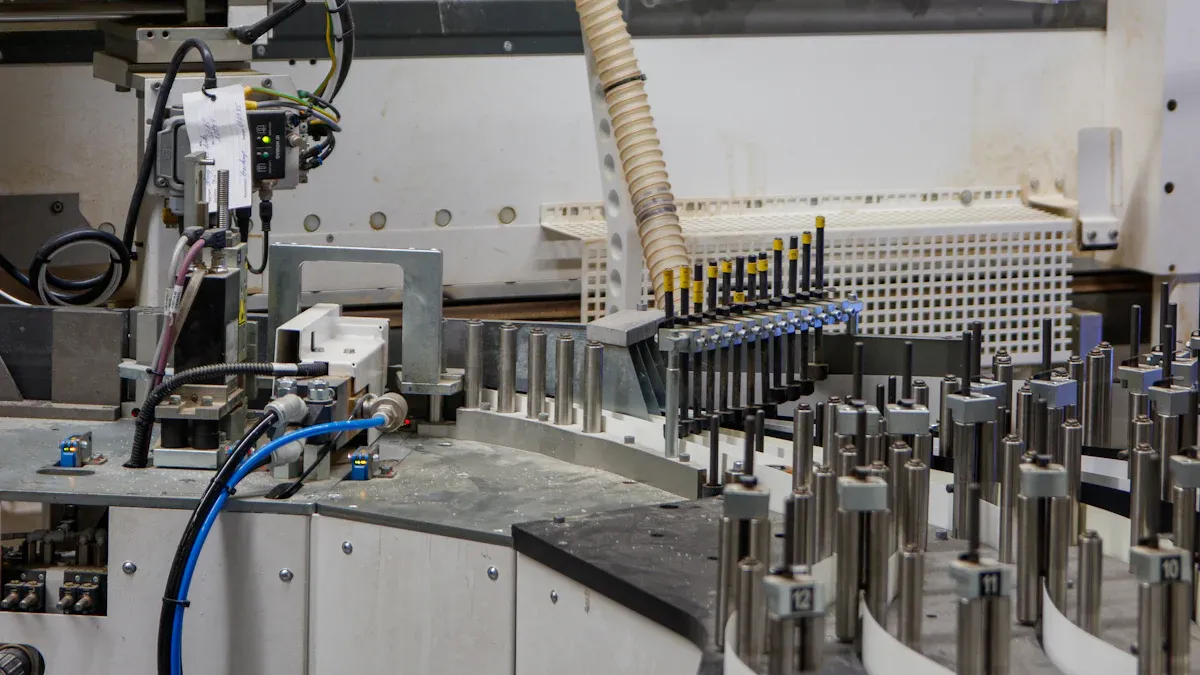
You need special machines for masterbatch or compounding. Each method uses different equipment. Masterbatch needs tools to make and handle strong pellets. Compounding needs machines that mix all parts together.
Here is a table that shows the main equipment you might use:
Equipment Type | Description |
|---|---|
Granulation Equipment | Machines like air-cooled die surface hot cutting granulators and underwater pelletizers make masterbatch pellets. |
Drying Equipment | Hot air circulation drying ovens and vacuum drying machines remove moisture from masterbatch. |
Auxiliary Equipment | Feeding machines, measuring tools, and testing equipment help you keep production efficient and high quality. |
You must watch your machines while they work. To keep things running well, you should:
Make a plan to check and fix your extrusion systems often.
Keep the temperature steady for good melt and product quality.
Watch the pressure so the filter does not get blocked.
Look at screws and barrels for damage to keep mixing good.
Check the material loader for clogs to keep the melt smooth.
Tip: Taking care of your machines stops problems and keeps your products the same.
Your choice depends on how much you want to make. If you make big batches and use lots of resin, masterbatch can save money. You only need to keep the plain polymer and add color when needed. This lowers storage costs and gives you more options.
If you make small batches or special products, compounding might work better. You get a material that is ready to use with all the features you want. This can help you get more good parts and makes short runs easier.
Note: Think about how much you will make before you pick a method. The right choice can help you save money and work better.
Pick masterbatch if you want to save money and be flexible. Masterbatch is good if you change colors or additives a lot. You can keep just a few base polymers in stock. Add masterbatch when you need a new color or feature. This saves money because you do not buy many colored resins. You only need a little masterbatch to color a lot of polymer. For example, 25 kg of masterbatch can color one ton of polymer. This high let-down ratio makes your work easier and faster.
Masterbatch pellets last a long time. They do not have solvents, so they do not dry out or lose quality. You can use masterbatch for injection molding, extrusion, or blow molding. If you want special colors or features, you can order custom masterbatches. These can make your products tougher, stiffer, or easier to print on.
Here is a table that shows why masterbatch is good for small or medium runs:
Advantage | Description |
|---|---|
Cost Efficiency | Buy fewer types of polymer and save money by buying in bulk. |
High Let-Down Ratios | Use a small amount to color big batches, which saves money and helps you be precise. |
Extended Shelf Life | No solvents, so pellets last longer. |
Versatility in Application | Works with injection molding, extrusion, and blow molding. |
Customization | Make special colors or add features you want. |
Improved Physical Properties | Makes products tougher, stiffer, and better for printing. |
Process Efficiency | No need to mix at your factory, so you save time and work. |
Tip: Masterbatch is best if you make small or medium batches and want to change colors quickly.
Use compounding if you need a material that is ready to use and always the same. Compounding is best for big jobs where every part must match. The compound already has all the additives, pigments, and base resin mixed in. You do not need to measure or mix anything at your machine. Just load the compound and start making parts.
Compounding is good if you need special features, like high heat resistance or chemical safety. You can order a compound that meets tough rules for your industry. This way, you do not make mistakes when mixing. It also makes your work simple and easy to repeat.
With direct compounding, you mix everything before molding. This gives you better control over your product. You do not have to worry about bad mixing or color changes while making parts.
Here are some reasons to pick compounding:
You want every part to have the same color and strength.
You need to follow strict safety or industry rules.
You make big batches and want to save time.
You do not want to handle or measure masterbatch at your machine.
Note: Compounding is best for big jobs and when you need every part to be the same.
When you choose between Masterbatch and Compounding, think about what you need. Masterbatch is good for small runs and lots of changes. Compounding is better for big runs and when you need everything to match.
When you pick masterbatch or compounding, you need to think about additives. Additives change how plastic looks and works. Some make products stronger. Others protect from sunlight or heat. There are many types. Each does something special.
Here is a table that shows what different additives do:
Additive Type | Mechanical Properties Impact | Aesthetic Properties Impact |
|---|---|---|
Glossy Black Masterbatch | Keeps strength and adds shine | Makes plastic deep black and glossy |
Anti-static Masterbatch | Helps plastic work better | N/A |
UV Absorber Masterbatch | Stops UV from hurting strength | Keeps color and surface looking good |
Hydrolysis-resistant Masterbatch | Makes plastic last longer in wet places | N/A |
Anti-mold & Antibacterial Masterbatch | Stops mold and germs, keeps plastic strong | N/A |
You can use other additives too. Color masterbatch makes bright colors. Filler masterbatch lowers cost. Flame retardants help with safety. Thermal stabilizers keep plastic strong in heat. They stop yellowing and breaking. UV stabilizers help products look new outside.
Stop heat from hurting your product.
Keep colors bright and clear.
Help plastic stay even during making.
Make plastic parts last longer.
Tip: The right additive helps your product look good and last longer.
You must follow rules when using masterbatch or compounding. Standards make sure products are safe and strong. They also help parts look the same every time. Many industries have strict rules for color, strength, and safety.
You need to check if your additives meet these rules. Flame retardants must pass fire tests. UV stabilizers must keep color under sunlight. Thermal stabilizers must stop breakdown during molding. Antibacterial additives must meet health rules.
Standard Type | Why It Matters |
|---|---|
Color Consistency | Makes sure every part matches in color |
Mechanical Strength | Keeps products safe and strong |
Chemical Resistance | Stops damage from chemicals |
Fire Safety | Meets laws for burning |
Health and Safety | Keeps users safe |
Note: Always check your industry’s rules before picking additives or compounds. This helps you avoid trouble and keeps customers happy.
You must pick masterbatch or compounding for your project. Masterbatch gives bright colors and saves money. It is easy to change colors with masterbatch. Compounding gives you materials that are ready to use. These materials have set features. Before you choose, think about these questions:
Do you want hard or soft products?
Will your parts get very hot?
Is color or how it looks important?
Does your resin work with the melt flow rate?
Can your supplier give you the same quality every time?
Masterbatch helps you spend less and work faster. You get better products and fewer mistakes. Always think about what you need before you choose a method.
You use masterbatch by adding it to your base resin. This gives your plastic color or special features. Compounding is different. It comes already mixed with everything you need. You do not have to add anything else before using it.
Tip: Masterbatch lets you change things easily. Compounding keeps things the same every time.
Yes! You can swap out masterbatch pellets to get new colors fast. This means you can make lots of products in different colors. You do not have to stop your machine to do this.
Masterbatch is best for small or medium batches. You only need a small amount to color a lot of resin. This helps you save money and takes up less storage space.
Yes. Compounding needs strong machines that mix things together, like twin-screw extruders. For masterbatch, you do not need extra mixing tools at your molding machine.
