
close
Choose Your Site
Global
Social Media
Views: 0 Author: Site Editor Publish Time: 2025-09-05 Origin: Site


You can find many types of food grade masterbatch in food packaging. These types are black, white, color, and additive masterbatches. Each type has its own job. Some give UV protection. Others make things look brighter.
Type of Masterbatch | Market Share (%) |
|---|---|
Black Masterbatch | 36.4 |
White Masterbatch | High Demand |
Food packaging must follow strict safety rules. In the US and EU, you must follow FDA and EU laws. In China, only allowed materials can be used. Every supplier must give a Declaration of Compliance.
Foshan Hongshengde Masterbatch New Materials Co., Ltd. has many years of experience. They use advanced technology. They always focus on quality in every solution.
Learn about the types of food grade masterbatch. These are color, additive, filler, black, and white. Each type has its own job in food packaging.
Always put safety and rules first. Pick masterbatch that follows FDA and EU rules. This keeps food safe.
Pick the right masterbatch for your packaging. Think about strength, looks, and price. This helps you get the best outcome.
Buy from trusted suppliers like Foshan Hongshengde Masterbatch New Materials Co., Ltd. They give good products that follow safety rules.
Test your packaging to make sure it is safe and works well. This helps stop problems and keeps quality high.
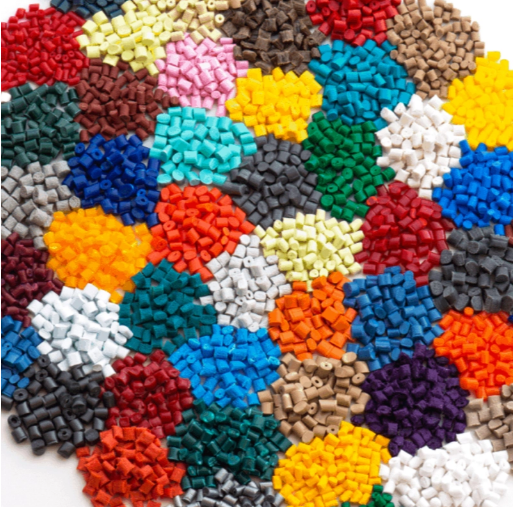
When picking food packaging, you should know the main masterbatch types. Each type helps make packaging safe, nice-looking, and useful. Foshan Hongshengde Masterbatch New Materials Co., Ltd. is a company with new technology and cares about quality. Their products spread color well and stay stable, so you get the same results every time.
Color masterbatch makes food packaging look bright and fun. You can use it to make special colors for your brand. This helps your products stand out in stores and makes them easy to spot.
Color masterbatch makes packaging look better.
You can use it to make colors for your brand.
It helps packaging look bright and nice.
Color masterbatch helps recycling, so it is better for the planet.
Color masterbatch also makes plastic packaging shiny and helps it last longer in light. This means your products look good and stay nice for longer. Foshan Hongshengde Masterbatch New Materials Co., Ltd. uses good pigments and new ways to mix, so you get even color with no spots.
Additive masterbatch gives food packaging extra features. You can pick different additives to fix problems or make packaging work better. Here is a table with some common types and what they do:
Additive Type | Functional Property Description |
|---|---|
Anti-Fog Masterbatch | Stops water drops on plastic, so food stays clear and fresh. |
Antibacterial Masterbatch | Adds things that fight germs, helping keep food safe. |
UV Stabilizer Masterbatch | Protects packaging from sunlight, so it lasts longer outside. |
Odor Absorber Masterbatch | Takes away bad smells from recycled plastic, so food smells right. |
Anti-Static Masterbatch | Cuts down static, which helps keep packaging clean. |
Additive masterbatch helps make packaging safer and more dependable. Foshan Hongshengde Masterbatch New Materials Co., Ltd. has many additive choices, all tested to spread well and stay stable.
Filler masterbatch for food packaging helps save money and make products stronger. You can use filler to swap out some expensive plastic. This makes packaging cheaper and sometimes tougher.
Benefit | Description |
|---|---|
Mechanical Properties | Filler like calcium carbonate makes packaging stiffer and stronger. |
Cost Reduction | Filler means you use less pricey resin, so it costs less. |
Production Efficiency | Filler helps plastic flow better, so you make more faster and use less energy. |
Filler masterbatch for food packaging cuts down material costs.
Filler helps make more packaging faster.
Filler helps packaging keep its shape better.
You can trust Foshan Hongshengde Masterbatch New Materials Co., Ltd. for good filler masterbatch for food packaging. Their products spread well, so you get smooth, high-quality packaging every time.
Black and white masterbatch are important for many food packaging jobs. You use black masterbatch for strong color and to block sunlight. White masterbatch is liked for its clean look and safety with food.
Feature | Black Masterbatch | White Masterbatch |
|---|---|---|
Composition | Has carbon black pigments | Has titanium dioxide (TiO₂) |
Applications | Used in many areas, including food packaging | Liked for food and medicine packaging |
Regulatory Considerations | Safe in masterbatch form for food contact | Food-grade TiO₂ is usually safe |
You can count on black and white masterbatch from Foshan Hongshengde Masterbatch New Materials Co., Ltd. for being pure and spreading well. Their careful checks make sure every batch is safe for food.
Tip: Always pick food grade masterbatch from a trusted company. Foshan Hongshengde Masterbatch New Materials Co., Ltd. checks and tests every product to make sure it spreads well and stays stable.
If you want better food packaging, look at all the masterbatch types from Foshan Hongshengde Masterbatch New Materials Co., Ltd. Their skill and care for quality help you make packaging that is safe, looks good, and saves money.
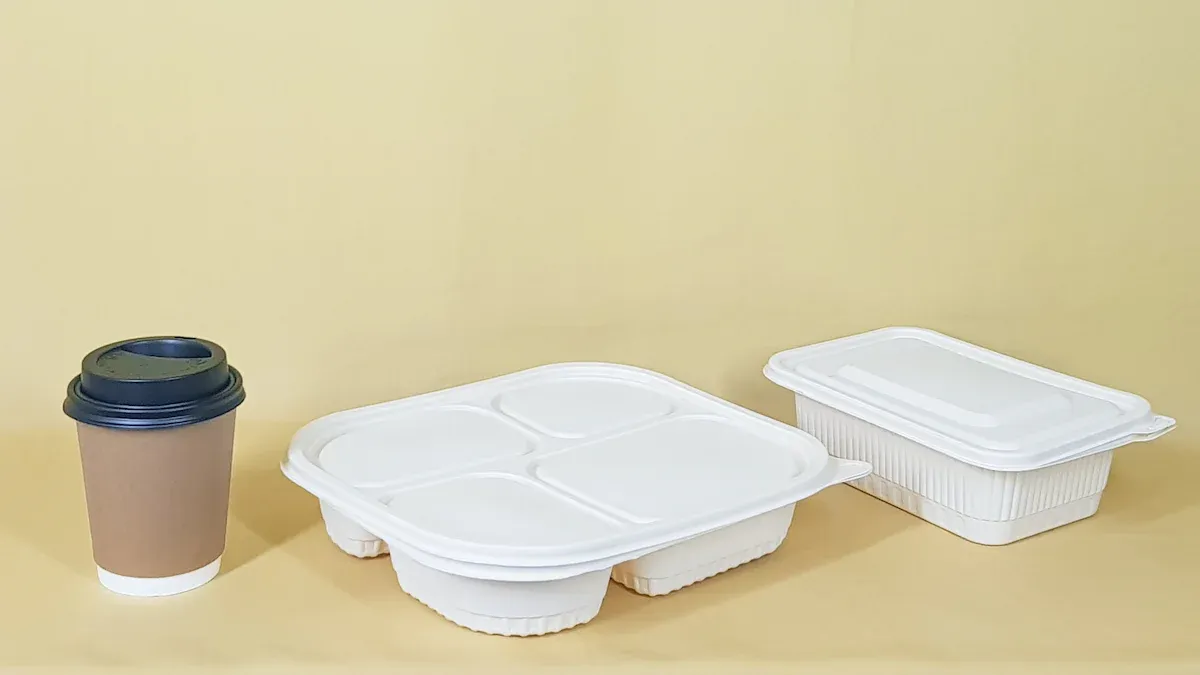
Food packaging comes in many shapes and sizes. Each kind needs the right food grade masterbatch to work well. You must pick the right masterbatch for each package. This keeps food safe, fresh, and looking good. Let’s see how different masterbatch types are used in common packaging.
Packaging films keep food safe and make it look nice in stores. Color masterbatch gives films bright colors that match your brand. Filler masterbatch for food packaging helps films stay strong and bendy. Some films use special filler to stop oxygen and keep food fresh longer. Antibacterial masterbatch can be added to stop germs from growing.
Films need to follow FDA rules and block UV light.
They also need to look the same every time.
Polysharif-O2Block masterbatch helps food last longer by blocking oxygen.
Application Type | Purpose | Benefits |
|---|---|---|
Films | Color Enhancement | Makes packaging look nice and match your brand |
Containers and bottles hold drinks, snacks, and meals. Color masterbatch makes containers look clean and nice. Filler masterbatch for food packaging makes containers stronger and helps them keep their shape. You must follow strict rules for food contact. The FDA and EFSA have rules for food containers. They set limits on titanium dioxide and which resins you can use.
Filler makes food containers harder and less likely to break.
Additives in masterbatch help keep food fresh.
Utensils and trays must be strong and safe to use. Filler masterbatch for food packaging makes trays and cutlery stronger. Antibacterial masterbatch helps keep trays and utensils clean. Trays should meet hygiene rules. Cutlery should not break easily.
Filler makes plastic cutlery tougher.
Trays use filler to save money and meet safety rules.
Flexible packaging, like wraps and films, uses color masterbatch and filler masterbatch for food packaging to stay light and easy to shape. Rigid packaging, like bottles and containers, needs more filler to stay strong. Both types must follow safety and environmental rules. More people want both flexible and rigid packaging because they keep food safe and look good.
Flexible packaging uses filler to flow better and cost less.
Rigid packaging uses filler for strength and to last longer.
Tip: Always pick the right masterbatch for your packaging. Foshan Hongshengde Masterbatch New Materials Co., Ltd. knows how to help with many food packaging types. Their products help you meet safety rules and make good packaging every time.
Injection masterbatch helps make food packaging with bright color. It also adds special features to the packaging. This method gives smooth surfaces and even color. Using advanced injection masterbatch makes production faster. You do not have to mix colors by hand. This means fewer mistakes and less wasted material. The packaging looks the same every time.
Here are some reasons to use injection masterbatch in food packaging:
Colors and additives spread out better, so every package matches.
You save money by using less plastic and wasting less.
You also follow food safety rules. Injection masterbatch makes your products look nice and helps them stand out. You can pick regular injection masterbatch for simple needs. You can choose advanced injection masterbatch for fancy packaging. Foshan Hongshengde Masterbatch New Materials Co., Ltd. uses new machines and smart tools. They make sure every batch is top quality.
Tip: Automation and data tools help make injection masterbatch work better. The process is quick and you can trust the results.
Blow molding masterbatch is used to make films, bags, and sheets. This method lets you make thin and bendy packaging. Advanced blow molding masterbatch gives strong color and covers well. Regular blow molding masterbatch is good for easy jobs.
To get the best results, you must prepare raw materials like calcium carbonate or talc. You mix these with resin and additives in fast mixers. Then you put the mix into a twin-screw extruder. You control the heat and speed for even mixing. After extrusion, you cool and cut the mix into pellets. You test the pellets to make sure they are right.
Blow molding masterbatch is flexible. You can use it for many packaging types. This method is good for the environment because you can recycle materials. Spinning masterbatch is another choice for making fibers and nets.
Note: Foshan Hongshengde Masterbatch New Materials Co., Ltd. uses new technology. They make sure every blow molding masterbatch and spinning masterbatch is high quality.
If you want food grade masterbatch for many methods, pick a supplier with skill and new ideas. You get safe packaging that looks good and follows all the rules.
Picking the right food grade masterbatch is very important. You need to think about safety, how well it works, cost, and if it fits your process. Each masterbatch type has its own good points. Color masterbatch, filler masterbatch for food packaging, injection masterbatch, and blow molding masterbatch all do different jobs. If you want safe and strong food containers or trays, you must look at a few main things.
Safety is always the most important thing for food contact. Your masterbatch must follow strict food safety rules. Sometimes, food contact materials have chemicals that can get into food. These chemicals, like PFAS, bisphenols, and phthalates, can be bad for your health. Tiny plastic pieces from packaging can also get into food and drinks and may hurt you.
You should check for important safety certifications. These show your masterbatch is safe for food. Here is a table with the most important certifications:
Certification Name | Importance |
|---|---|
FDA Compliance | Makes sure food grade materials meet FDA safety rules. |
ISO 22000 | International standard for food safety management. |
BRC Global Standard | Makes sure food safety and quality rules are followed. |
Food grade packaging must be tested very carefully. Makers must follow FDA rules for food grade materials. Having certifications can help you sell more.
When you pick a masterbatch, always ask for a Declaration of Compliance. This paper proves the product is safe for food. Stay away from masterbatch with harmful chemicals. Read the product data sheets and check that the masterbatch is tested for safety.
You want your food packaging to last and keep food safe. The right masterbatch makes packaging stronger and more flexible. Additive masterbatches can make packaging tougher and bendy. Anti-microbial additives help stop germs from growing on trays and containers. UV and anti-aging additives protect packaging from sunlight and heat.
Filler masterbatch for food packaging makes packaging stiffer and less likely to break. You can use filler in containers, trays, and cutlery. Filler also helps packaging keep its shape. Injection masterbatch gives even color and smooth surfaces. Blow molding masterbatch is good for films and bags, making them strong and colorful. Spinning masterbatch is used for nets and fibers in food packaging.
Tip: Always use the right masterbatch for your job. For example, use filler masterbatch for food packaging in trays that need to be strong. Use color masterbatch in containers that must look bright.
Cost is important when making food packaging. You want to save money but still get good quality. Filler masterbatch for food packaging helps lower costs because you use less expensive resin. It also helps you make more packaging faster. Here is a table that shows the price range for different masterbatch types:
Masterbatch Type | Price Range (per kg) | Factors Affecting Cost |
|---|---|---|
Color Masterbatch | $0.5 - $18 | How hard it is to make, pigment type, food-grade rules |
Additive Masterbatch | $0.5 - $29.3 | Additive type, special needs, custom formulas |
Filler Masterbatch | $0.5 - $3.5 | Filler type, quality, particle size, processing methods |
You can use filler to save money in containers, trays, and films. Injection masterbatch and blow molding masterbatch help you make packaging quickly and waste less. This saves time and money. Filler also helps the environment because you use less plastic.
Note: Always check that the masterbatch works well with your resin. Good matching means fewer problems and better results.
Make sure the masterbatch works with your molding resin. This stops problems like peeling.
Check for safety rules, like FDA approval, for all food contact uses.
Match the masterbatch to your food packaging needs. Some products need more strength, others need better color.
Use the right amount of filler masterbatch for food packaging to get the best results.
Test your final product to make sure it is good.
Do not mix up additives and masterbatch. They are not the same.
Always read and understand the product data sheets.
Do not use too much masterbatch or filler. Using too much can cause problems.
Follow the right processing steps for each type, like injection masterbatch or blow molding masterbatch.
Test your packaging to make sure it is safe and works well.
Working with certified suppliers like Foshan Hongshengde Masterbatch New Materials Co., Ltd. helps you avoid mistakes. Their skill and quality checks help you feel safe.
When you pick the right masterbatch, you get safe, strong, and low-cost packaging. You also help the planet and follow all food safety rules. Masterbatch solutions let you make many kinds of food packaging, like containers, trays, and cutlery.
You can pick from many food grade masterbatch types. Color, additive, filler, black, and white masterbatches all do different jobs in food packaging.
Following rules is very important in making masterbatch. It makes sure any additives or pigments in your plastic follow the laws and guidelines from leaders.
Always think about safety, rules, and how well it works:
Pick masterbatch that follows food-grade rules for your needs.
Ask experts for advice to help your packaging last longer, look better, and be good for the planet.
You can trust Foshan Hongshengde Masterbatch New Materials Co., Ltd. for smart and new products that keep your packaging safe and strong.
Food grade masterbatch is a safe color or additive for plastics in food packaging. It helps packaging meet food safety rules. It also keeps packaging strong, bright, and dependable.
Look for safety certifications like FDA and ISO 22000. Foshan Hongshengde Masterbatch New Materials Co., Ltd. gives tested products with clear safety papers.
Color masterbatch makes films bright. Filler masterbatch makes films stronger and more flexible. Additive masterbatch gives extra features like anti-fog or antibacterial help. Pick the one that fits your packaging needs.
Yes, you can use food grade masterbatch for both kinds. Foshan Hongshengde Masterbatch New Materials Co., Ltd. has options for bottles, trays, films, and wraps.
Match the masterbatch to your resin and packaging type. Check for safety papers. Test samples before making a lot. Ask Foshan Hongshengde Masterbatch New Materials Co., Ltd. for expert help.
