
close
Choose Your Site
Global
Social Media
Views: 0 Author: Site Editor Publish Time: 2026-09-26 Origin: Site


Maintaining strict rheological properties is critical for extrusion and injection molding efficiency. Yet, precise polymer specifications are frequently compromised between the manufacturer's facility and the production floor. Processors often overlook the transport phase as a highly vulnerable window. Environmental exposure during transit and storage can cause severe carrier resin degradation and moisture absorption. These hidden factors directly alter the masterbatch melt flow index (MFI) before processing even begins. Relying on standard woven sacks introduces unacceptable process variability to your manufacturing lines.
Protecting MFI integrity requires engineered packaging solutions. These protective measures include moisture-barrier liners and advanced vacuum sealing techniques. They must also be backed by verifiable supplier quality assurance protocols. You will discover exactly how moisture and heat degrade polymers during global shipping. We will also explore the best packaging materials to lock in performance consistency from the factory straight to your hoppers.
Understanding the science of degradation highlights exactly why standard shipping methods fail. Masterbatch is not entirely inert. Carrier resins and active additives remain highly sensitive to environmental variables. This chemical vulnerability explains why untested logistics pathways cause severe manufacturing headaches. Polyamide (PA) and Polyethylene Terephthalate (PET) polymers naturally attract water molecules from the surrounding air. When left unprotected, these materials undergo rapid structural changes.
Hygroscopic carrier resins absorb atmospheric moisture rapidly. Common examples include PET, PA, or heavily filled polyolefins. This hidden moisture causes destructive chain scission during the melting phase. Polymer chains literally break apart under extreme processing heat. This chemical reaction artificially spikes the MFI. The melted material becomes entirely too fluid. Processors lose control over the melt pool, causing severe dimensional instability in the final molded parts.
Shipping containers experience extreme temperature fluctuations during transport. Ocean freight containers often reach internal temperatures exceeding 60°C under direct sunlight. Prolonged exposure to high heat initiates premature cross-linking within the polymer matrix. It can also cause severe polymer breakdown. These specific chemical reactions permanently alter the original masterbatch melt flow index specifications. Once heat damage occurs in transit, the material cannot be restored. The degradation is irreversible.
These rheological shifts create major operational consequences on the factory floor. You will notice highly inconsistent shot weights during injection molding. Surface defects like lacing, blistering, or splay often appear on extruded parts. Ultimately, final components suffer compromised mechanical strength. Parts may pass basic visual inspection but fail crucial structural testing later. Preventing these defects requires isolating the pellets from the environment entirely.
Processors need properly engineered physical barriers. We must isolate the polymer pellets from ambient conditions completely. Let us examine the specific physical barriers necessary to lock in the manufactured flow rate. Each technology offers different levels of defense against humidity and oxygen.
Packaging Efficacy Comparison
| Material Strategy | Water Vapor Resistance | Gas Blockage | Ideal Use Case |
|---|---|---|---|
| Standard Woven Polypropylene (WPP) | Very Low | Poor | Short transit, non-sensitive resins |
| PE / PET Co-Extruded Sacks | Moderate | Average | Standard polyolefins, regional shipping |
| Multi-Layer Aluminum Foil Liners | Maximum | Excellent | Engineering plastics, hygroscopic polymers |
| Vacuum Sealed + Foil Barrier | Absolute | Absolute | Long-term global warehousing, specialty additives |
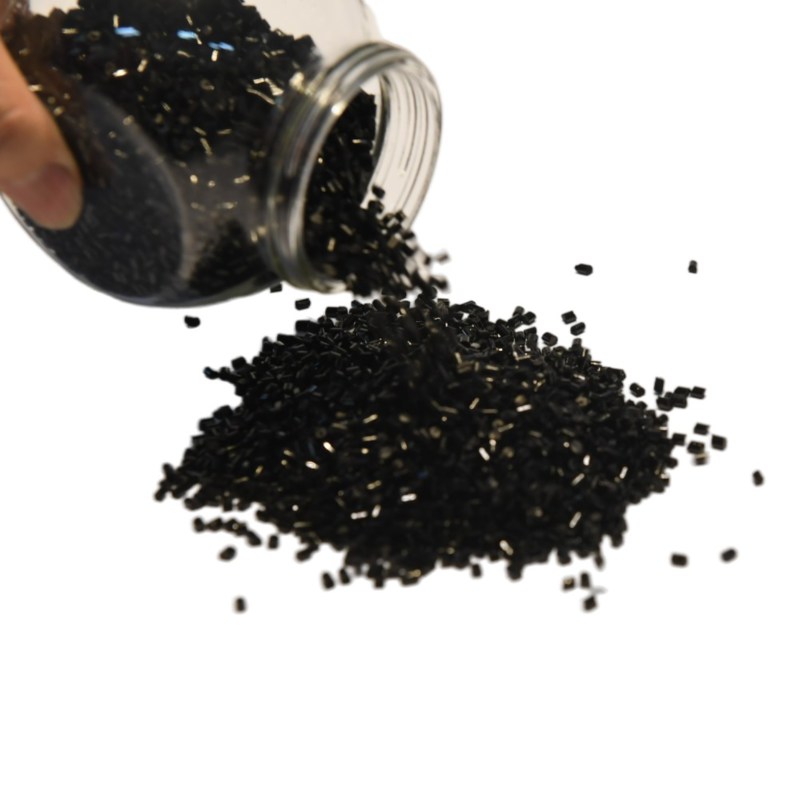
Formulation nuances require careful engineering review. Carbon black acts like a highly effective desiccant. High-concentration formulations remain particularly vulnerable to ambient humidity if improperly packaged. High surface-area pigment particles attract moisture relentlessly from the surrounding atmosphere.
Processors demand extreme precision for deeply pigmented parts. When stabilizing the masterbatch melt flow index,great quality black masterbatch with high pigment loading (e.g., 40-50%) needs absolute environmental protection. Moisture ingress drastically reduces dispersion efficiency. Trapped water vapor flashes into expanding steam inside the extrusion barrel. This intense steam expansion heavily alters the melt flow rate. It also creates microscopic voids inside the polymer matrix, weakening the final product.
You must evaluate your protective enclosures carefully. Premium black masterbatch should ideally reside in moisture-proof, vacuum-sealed valved bags. Standard woven polypropylene (WPP) bags lacking inner liners invite immediate contamination. They allow microscopic humidity to seep in during global transit. The exposed pellets drink in moisture continuously until they reach the processing stage. Foil-lined valve bags prevent this entirely by sealing out ambient air.
Procurement and engineering teams should audit potential vendors rigorously. You need verifiable data confirming packaging performance. Guesswork leads directly to manufacturing failures. Evaluating supplier packaging requires checking testing methods and material data sheets.
Follow these evaluation steps to audit your supply chain effectively:
Upgrading from basic woven sacks to multi-layer foil-lined bags adds a fractional cost per kilogram. You might hesitate at this initial packaging expense. Procurement departments often target logistics packaging for budget cuts. However, cheap enclosures introduce massive systemic vulnerabilities.
Compare this nominal upfront cost against severe financial impacts later. Machine downtime destroys profit margins rapidly. Increased scrap rates waste valuable base resins. Failed quality audits ruin established client trust. Fluctuating MFI causes short shots, excessive flash, and severe dimensional instability. Eliminating these unpredictable variables delivers excellent operational ROI. Superior packaging acts as an inexpensive insurance policy for your production schedule.
Supplier packaging handles only half the equation. Facility operators play a crucial role in maintaining material integrity. You must reseal bags tightly immediately upon opening. Do not leave open sacks exposed to ambient factory humidity. Alternatively, utilize specialized hopper dryers right away. Leaving open bags on the factory floor undoes all the supplier's protective efforts. These simple internal steps maintain the preserved flow rate on the shop floor.
The engineered properties of a formulation remain only as reliable as the packaging protecting them. Defending process stability requires blocking moisture, oxygen, and thermal stress completely before processing. Upgraded enclosures prevent unpredictable viscosity spikes.
Prioritize suppliers treating packaging as an extension of their quality control. Avoid vendors treating physical enclosures as an afterthought. Their negligence will become your production problem. Always demand transparent material data.
To improve your yields, request detailed packaging spec sheets alongside technical data sheets (TDS). Next, conduct small-scale trial runs. Assess MFI stability rigorously post-transit before committing to large supply volumes. Protecting your polymers ensures flawless production runs.
A: Yes. Inadequate packaging allows moisture ingress and oxidation. When moisture-laden masterbatch is heated in the barrel, it causes hydrolysis. This polymer chain breakdown drastically and unpredictably increases the MFI.
A: Multi-layer co-extruded bags featuring an integrated aluminum foil barrier provide the highest level of protection against moisture and oxygen transmission. This engineered barrier reliably maintains strict specification tolerances during global transit.
A: Request the Moisture Vapor Transmission Rate (MVTR) of their packaging materials. Additionally, weigh incoming bags to check for moisture weight gain. You should also conduct in-house MFI verification testing against the provided Certificate of Analysis.
A: Carbon black is highly absorptive. A great quality black masterbatch with high carbon loading will pull humidity from the air rapidly if stored in non-barrier packaging. This moisture accumulation leads to lacing, poor dispersion, and severely altered melt viscosity during processing.
