
close
Choose Your Site
Global
Social Media
Views: 0 Author: Site Editor Publish Time: 2025-11-28 Origin: Site


Plastic masterbatch helps mix additives better. This makes the color even and stops weak spots from forming in the product. Using the right amount of masterbatch keeps plastic strong and flexible. This means the plastic works well every time. Additives like fillers and nucleating agents make plastics tougher and last longer. This helps them stay strong in many uses. Masterbatch technology lets people change plastics for special needs. For example, it can add UV resistance for cars or stop germs in medical tools. Picking good masterbatch from smart suppliers gives better results. It also helps meet industry rules.
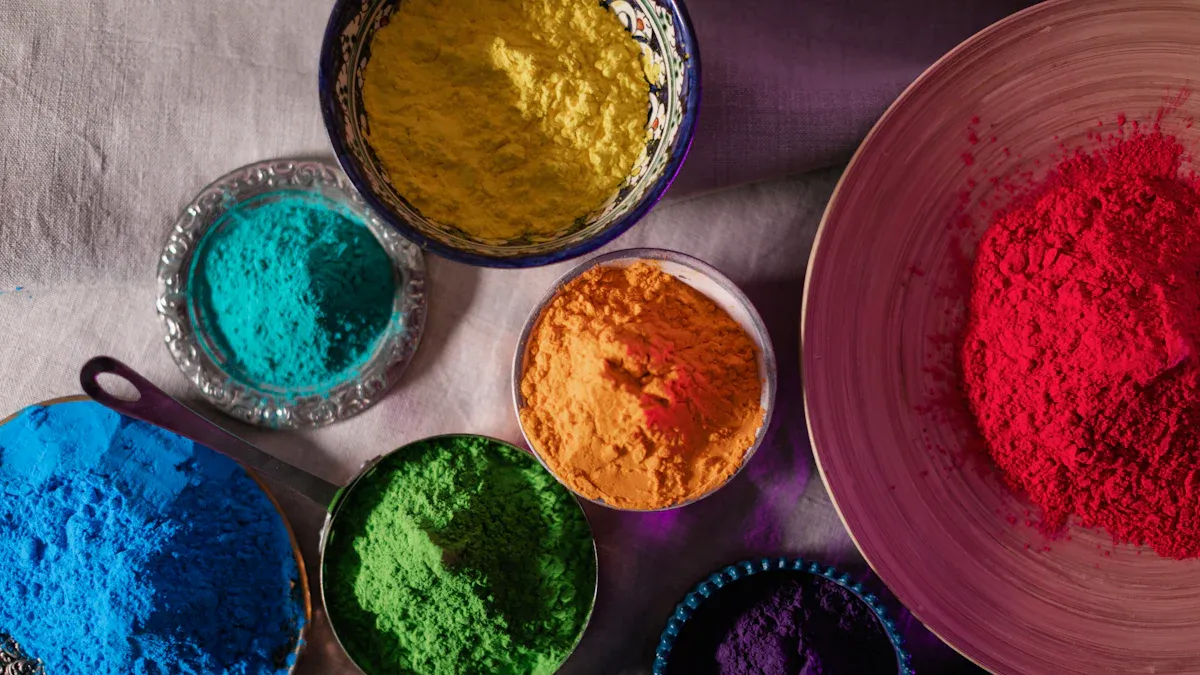
Plastic masterbatch helps pigments and additives mix well. This mixing keeps the color the same everywhere. It stops streaks and patches from showing up. You do not get dull or faded spots. Master batch spreads color pigments and other additives smoothly. This helps the plastic become stronger.
Tip: Pick a colorful plastic masterbatch or color masterbatch for bright, even color. These choices help you get the look you want. You will not see weak spots or uneven color.
Plastic masterbatch lets you control how much pigment and additive you use. You get the same results every time. Your products look and work as you expect. Fillers and nucleating agents are common additives that make plastic stronger. They help the plastic become tougher and harder.
Here are some additives used in plastic masterbatch to make it stronger:
Dispersing agents help fillers spread out better
Fillers make plastic harder
Nucleating agents make plastic stronger
Labs use different ways to check how well additives mix in plastic. You can see some of these ways in the table below:
Method | Description |
|---|---|
A | Burn the plastic, then heat it in a furnace |
B | Burn it, treat with acid, then heat it |
C | Treat with acid, burn it, then heat it |
D | Use a machine to test it |
Plastic masterbatch helps stop weak spots from forming. Additives that do not mix well can cause clumps and layers. You might see rough spots or pieces that did not melt. If you skip masterbatch, these problems can happen. The plastic becomes weaker and less dependable.
Additive masterbatch lowers these risks. You get stronger products that last longer. For example:
A packaging company made products last 25% longer with antioxidant masterbatch.
A car company had 30% fewer broken plastic parts by using special masterbatch.
A building company made PVC last 40% longer with antioxidant masterbatch.
You can count on plastic masterbatch for steady results. Your products stay strong and colorful, even when things get tough. The right master batch makes plastic more dependable. It helps you meet high standards every time.
Polymer masterbatches help plastic products last longer. They also make them work better. Additives mix well with the base resin because of masterbatch. The carrier resin in masterbatch matches the base polymer. This helps additives and pigments spread out evenly. The color looks better and the plastic gets stronger. You do not see faded spots or weak places.
The carrier resin keeps additives safe when you heat the plastic. The additives still work, even at high temperatures.
Good mixing gives you the same color and strength every time.
Here is a table that shows how better bonding with the polymer matrix makes plastic stronger:
Mechanism | Description |
|---|---|
Hydrogen Bonds | Work like links, making plastic tougher and more stretchy. |
Energy Dissipation | Help plastic take stress and go back to its shape. |
Structural Flexibility | Change how the polymer acts, with stiff and bendy bonds changing strength. |
You can use plastic masterbatch with many kinds of polymers. Some common ones are:
Polybutylene Terephthalate (PBT)
Polypropylene
Ethylene-vinyl acetate
Nylon
Master batch technology makes these plastics stronger and better with heat. The plastic lasts longer and stays stable.
Additive masterbatch makes the bond between the additive and polymer stronger. This helps your plastic products become tougher and last longer. You see less cracking and breaking, even when things get rough.
Here is a table that compares how well plastics stick together with and without polymer masterbatch:
Material Type | Adhesion Strength (with masterbatch) | Adhesion Strength (without masterbatch) |
|---|---|---|
PP/CaCO3 composites | Much higher | Lower than with coupling agent |
PP/glass bead composites | Changes a lot | Lower than with surface changes |
You can pick colorful plastic masterbatch or white masterbatch for the look and strength you want. Your products stay bright and strong. You get good results every time.
Plastic masterbatch helps you make products that last longer. You see better results in packaging, cars, and building materials. The right masterbatch lets you control color, strength, and toughness.
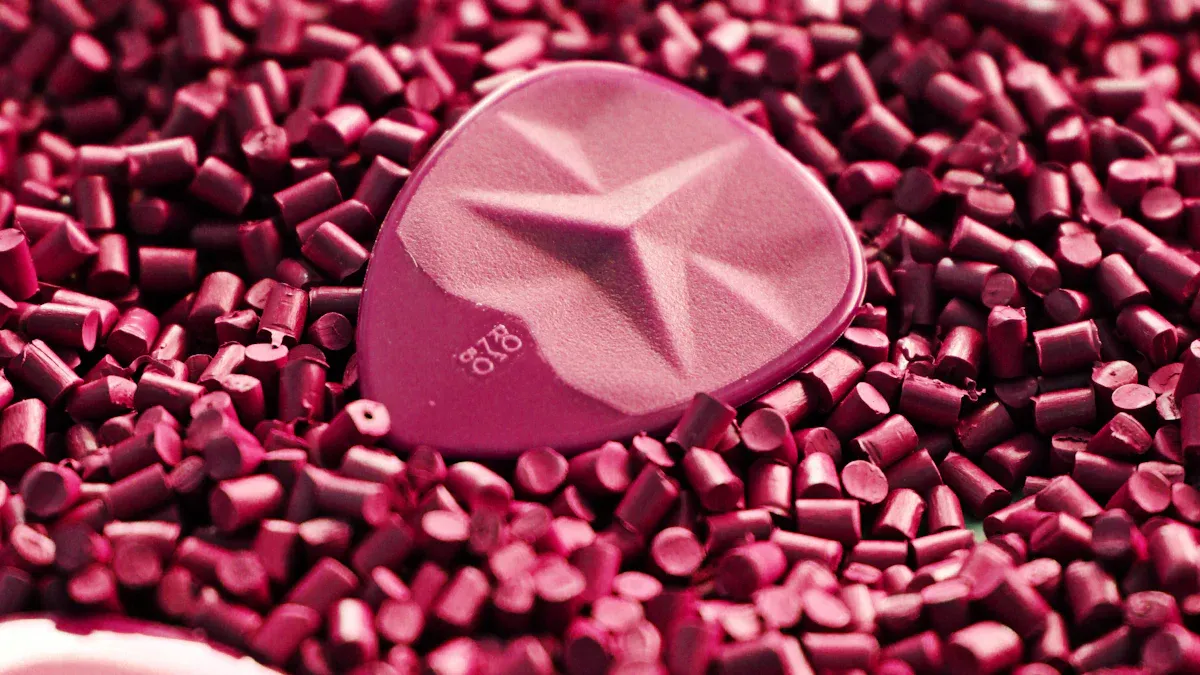
Master batch lets you pick the exact amount of additive. This helps you get the strength you want. It stops weak spots and uneven color. Your products look and work the same every time. You can trust the results each time you make plastic.
Manufacturers use strong carriers like polyethylene or polypropylene. They add special additives like UV stabilizers and flame retardants. Machines check viscosity, how well things mix, and how much additive is used. Computers help change the process for better results.
Aspect | Description |
|---|---|
Material Quality | Strong carriers like polyethylene or polypropylene are used as the base. |
Additive Incorporation | Special additives like UV stabilizers and flame retardants are added to the masterbatch. |
Quality Control | Careful checks include watching viscosity, mixing, and additive levels. |
Automation | Computers and machines help make changes for better results. |
The amount of masterbatch is important for quality and cost. You should test and try different amounts to find what works best. Masterbatch suppliers help you pick the right amount.
The right amount of additive changes how plastic acts. Tests show these changes, but real use can be different. You need to test your plastic in real life to make sure it works well.
Additive Type | Concentration (wt%) | % Elongation | Tensile Strain Impact |
|---|---|---|---|
PPA | 0.5 | 799% | Increased |
SM | N/A | N/A | Decreased |
ABM | N/A | N/A | Decreased |
Blank Sample | N/A | 713% | N/A |
All Samples | N/A | N/A | No big change in tensile strength |
Masterbatch technology lets you change plastic for many uses. Cars need UV resistance and scratch resistance. Hospitals use anti-microbial masterbatch for clean tools. Conductive masterbatch helps electric cars with batteries and wires. You can pick color masterbatch, white masterbatch, or black masterbatch for the look you want.
Hospitals, car makers, electronics, building, packaging, fibers, and factories use special masterbatch.
Car makers, packaging companies, and plastic makers use masterbatch for better products.
Masterbatch is important for color and special features in plastic.
One case shows that uneven masterbatch size can hurt plastic quality. SIVTEK Vibro separators helped make the process better and increased quality and amount.
Additive masterbatch makes it easy to add things and keeps the process steady. Colorful masterbatch and pigments help you get bright, even color. Polymer masterbatches let you change the mix for the best results. You can make plastic stronger, safer, and better for any use.
You can make plastic stronger with plastic masterbatch. It helps you get the same color everywhere. Your products look the same each time. Masterbatch makes the plastic stick together better. Additives mix well and spread out in the plastic. The table below shows how masterbatch helps color and quality:
Benefit | Description |
|---|---|
Improved Color Consistency | Masterbatch gives even color in every part of the plastic. |
Enhanced Opacity | You get a smooth look in your plastic products. |
Better Dispersion Rate | Additives spread out well, so plastic is tough and reliable. |
When you pick masterbatch, check for good quality. Make sure the company knows a lot. See if they can make masterbatch just for you.
Masterbatch is used to give plastic color or special features. It looks like tiny pellets. You mix these pellets with plain plastic to get what you want.
Masterbatch helps additives mix evenly in the plastic. This makes the plastic stronger because there are no weak spots. Your products last longer and work better.
You can use masterbatch with many plastics like polypropylene, polyethylene, and nylon. Always ask your supplier to help you pick the right masterbatch for your plastic.
Masterbatch can be safe for food packaging if you pick food-grade types. You should ask your supplier for papers that show the masterbatch is safe to use.
