
close
Choose Your Site
Global
Social Media
Views: 0 Author: Site Editor Publish Time: 2025-12-18 Origin: Site


Black masterbatches are essential in the plastic manufacturing process, adding both color and improved functionality. These concentrated blends of carbon black and polymers are used across industries like automotive, packaging, and textiles. In this article, we will explore what black masterbatches are, how they work, and their applications in various industries.
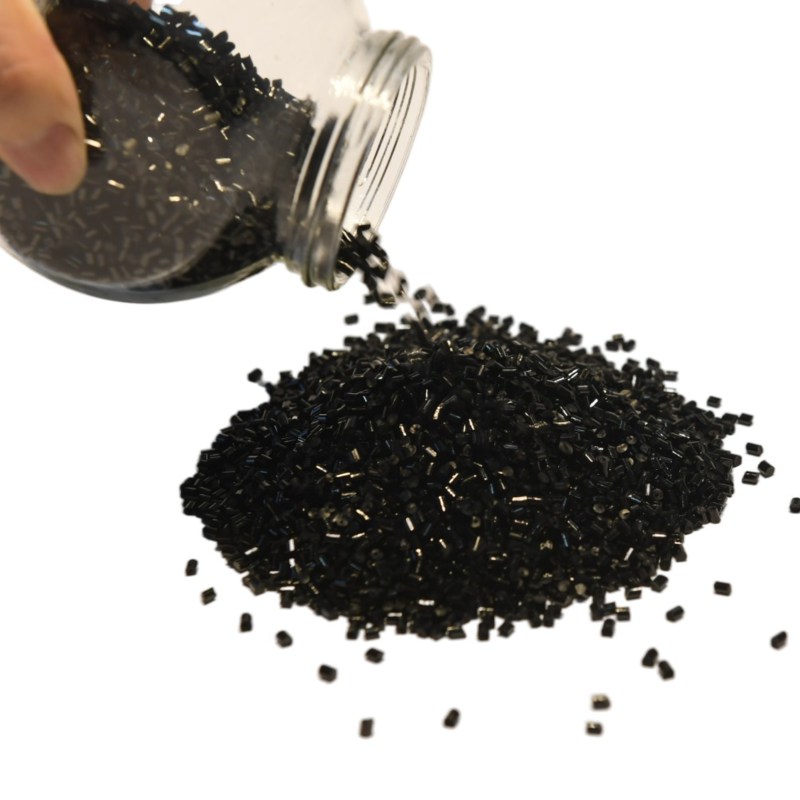
A black color masterbatch is a concentrated blend of carbon black and polymer that is used to add color and enhance the performance of plastic materials. This formulation is essential for ensuring consistent black pigmentation, as well as improving the physical properties of the plastic, such as UV resistance, durability, and heat stability. Black masterbatches are widely used in a variety of industries, making them a crucial component in the manufacturing of plastic products.
Black masterbatches are indispensable in numerous sectors, including:
● Automotive: Used for exterior car parts, trim, and interior components.
● Packaging: Enhances the appearance and performance of films, containers, and other packaging materials.
● Textiles: Provides color consistency in synthetic fibers and fabrics.
● Consumer Goods: Found in household products, electronics, and appliances, ensuring consistent color and durability.
Their role in providing both aesthetic appeal and functional enhancements makes them a key ingredient in plastic manufacturing.
As we look toward 2025, several trends are driving the demand for black masterbatches. There is an increasing focus on eco-friendly and recyclable masterbatch solutions, spurred by environmental concerns and regulatory pressures. Additionally, advancements in manufacturing technologies have made black masterbatches more efficient and versatile, contributing to the market’s growth. The automotive and packaging industries are expected to remain key drivers of demand as they seek durable and high-performance plastic materials.
Black masterbatches are primarily composed of three main ingredients:
● Carbon Black: The key coloring agent, carbon black provides the deep black color and offers UV resistance.
● Polymer Carrier: This is the base polymer used to carry the carbon black pigment and ensure even dispersion throughout the plastic.
● Additives: These can include stabilizers, dispersing agents, and processing aids that enhance the performance and processing of the masterbatch.
Each of these components plays a significant role in ensuring the final product is both aesthetically pleasing and functional.
The production of black masterbatches involves a series of steps:
1. Mixing: Carbon black is mixed with the polymer carrier in a high-shear environment to achieve uniform dispersion.
2. Granulation: The mixture is then cooled and granulated into pellets, which can be easily incorporated into plastic during the extrusion process.
3. Quality Control: Final products undergo rigorous quality checks to ensure that the color consistency, dispersion, and performance meet industry standards.
Carbon black is essential for black masterbatches because of its excellent light absorbance properties, which give the masterbatch its rich black color. It also helps improve the UV stability of the plastic, making it more resistant to weathering and degradation. Furthermore, carbon black can enhance the mechanical properties of plastics, providing increased strength and durability.
In the automotive sector, black masterbatches are used in a variety of applications, including:
● Exterior Components: Bumpers, trim, and grilles are often made using black masterbatches to ensure durability and UV resistance.
● Interior Components: Dashboard panels, seat covers, and other interior plastic parts benefit from the consistent color and enhanced performance black masterbatches provide.
The use of black masterbatches in automotive manufacturing is expected to grow as the demand for high-performance, lightweight materials continues to rise.
The packaging industry relies heavily on black masterbatches to provide high-quality, durable, and visually appealing products. Key uses include:
● Films and Containers: Black masterbatches are used in flexible films and rigid containers to provide UV protection, color consistency, and visual appeal.
● Barrier Properties: Black masterbatches can enhance the barrier properties of packaging materials, especially in food and beverage packaging, by preventing light from affecting the product inside.
Black masterbatches are also essential for creating household products and electronics:
● Appliances: They are used to color components like refrigerator exteriors, microwaves, and washing machines.
● Electronics: Black masterbatches are used in the casings of devices like smartphones, laptops, and televisions to ensure uniform color and durability.
In textiles, black masterbatches ensure color consistency and durability in synthetic fibers. They are used in products such as:
● Clothing: Ensures even color in polyester, nylon, and other synthetic fabrics.
● Home Textiles: Used in products like curtains, cushions, and upholstery to maintain color integrity over time.
One of the primary advantages of black masterbatches is the ability to achieve consistent color across large batches of plastic products. This uniformity ensures that products maintain their visual appeal and meet industry standards for aesthetic quality.
Black masterbatches offer significant improvements to the durability of plastics, especially in outdoor applications. Their UV resistance prevents degradation from sunlight exposure, while their chemical resistance ensures longevity in harsh environments.
Black masterbatches help reduce production costs by offering better processing efficiency compared to using powdered pigments. Their high-quality dispersion allows manufacturers to use less material to achieve the desired color, reducing waste and costs.
As the demand for sustainable products grows, many black masterbatch manufacturers are focusing on eco-friendly solutions. Recyclable and biodegradable black masterbatches are gaining traction, offering both environmental benefits and compliance with stricter regulations.
Recent technological advancements have improved the efficiency of black masterbatch production. Techniques like twin-screw extrusion and melt blending have enhanced the dispersion of carbon black, resulting in higher-quality products that are easier to process.
Technique | Description | Benefits |
Twin-Screw Extrusion | A high-shear process that ensures uniform dispersion of carbon black in the polymer. | Improved dispersion, higher-quality products, better control of material properties. |
Melt Blending | Involves melting the polymer and adding carbon black under controlled conditions. | Cost-effective, efficient, and suitable for large-scale production. |
Single-Screw Extrusion | A simpler, lower-cost extrusion method used for less complex applications. | Lower capital investment, but offers less precision than twin-screw extrusion. |
Injection Molding | Involves injecting melted polymer into molds, including carbon black for coloring. | Provides high precision for molded parts, though less commonly used for masterbatches. |
There has been a significant shift toward developing more sustainable black masterbatches. Manufacturers are focusing on creating formulations that use recycled plastics or bio-based carriers. These innovations help meet environmental regulations while offering the same high-performance benefits as traditional black masterbatches.
To meet the diverse needs of various industries, manufacturers are offering specialized black masterbatches that are tailored to specific applications. These include heat-resistant formulations for automotive parts and light-stable masterbatches for packaging materials.
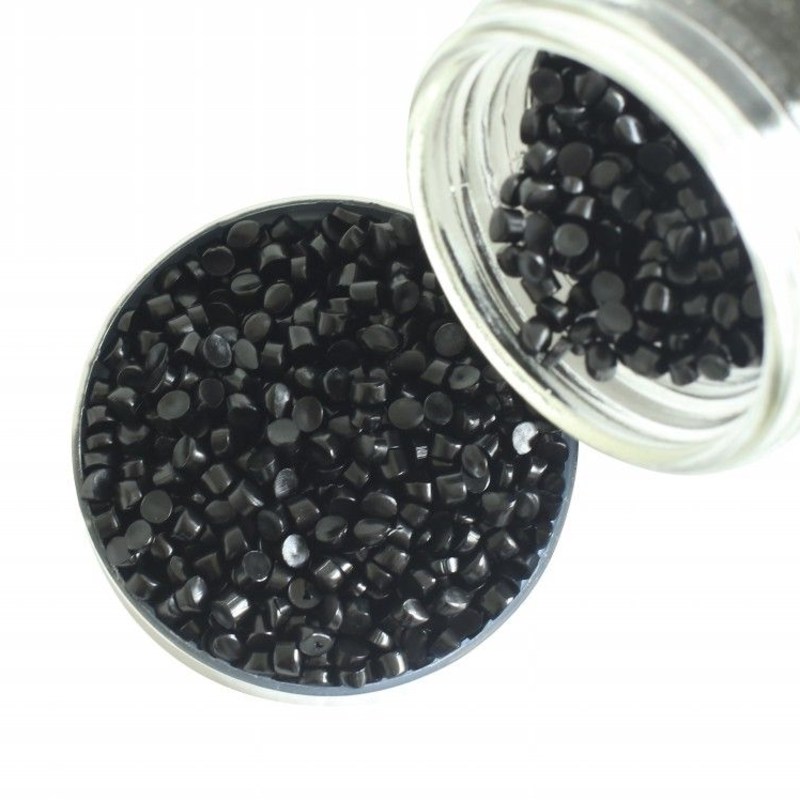
The fluctuating prices of carbon black can significantly impact the cost of black masterbatches. Supply chain disruptions, especially in the wake of global events like the COVID-19 pandemic, can also lead to material shortages and delayed production.
As environmental regulations become stricter, manufacturers are under pressure to develop more sustainable products. This includes reducing the carbon footprint of their production processes and offering recyclable or biodegradable masterbatch formulations.
Although black masterbatches offer numerous benefits, challenges like dispersion issues and maintaining long-term stability remain. Ensuring consistent performance over time, especially in outdoor applications, requires ongoing research and innovation.
The global black masterbatch market is expected to grow steadily by 2025, driven by increasing demand for durable and high-performance materials in industries like automotive, packaging, and consumer goods.
Several trends are expected to shape the black masterbatches market, including:
● The growing demand for sustainable and eco-friendly formulations.
● Technological innovations that improve the efficiency and performance of black masterbatches.
● The shift towards lightweight materials in the automotive industry.
Manufacturers who focus on innovation, sustainability, and meeting the specific needs of different industries will have a competitive advantage. With growing environmental concerns and regulations, there are ample opportunities for companies to provide high-quality, eco-friendly black masterbatches.
Black masterbatches are essential in numerous industries, offering color consistency, durability, and performance improvements to plastics. As demand for eco-friendly solutions grows, technological advancements in manufacturing processes will continue to drive the black masterbatch market forward. The automotive, packaging, and consumer goods sectors are expected to see significant growth, with manufacturers who focus on sustainable and high-performance products best positioned to capitalize on these opportunities.
HSD, a leading high-tech enterprise, specializes in the research, development, production, and sales of various masterbatch types. The company is dedicated to providing high-quality, stable products that meet industry needs and solve challenges in plastic manufacturing. As innovations in sustainability and performance continue, HSD is committed to remaining at the forefront of this evolving market.
A: A black color masterbatch is a concentrated mixture of carbon black and polymer used to color plastics and enhance their properties like UV resistance and durability. It is commonly used in automotive, packaging, textiles, and consumer goods.
A: Black masterbatches are used across industries to color plastic products, improve their durability, and provide UV resistance. They are essential in automotive parts, packaging materials, household products, and textiles.
A: Black masterbatches are crucial for ensuring consistent color, enhancing performance, and increasing the longevity of plastic products. They offer better processing efficiency and improved physical properties like resistance to UV degradation and impact.
A: The cost of black masterbatches depends on factors such as the quality of carbon black, the polymer carrier used, and the production scale. Prices can fluctuate based on raw material costs and market demand.
