
close
Choose Your Site
Global
Social Media
Views: 0 Author: Site Editor Publish Time: 2026-01-23 Origin: Site


Are you struggling to find the perfect White Masterbatch for your product? White Masterbatch plays a crucial role in various industries, from packaging to automotive. In this article, we’ll guide you through the key aspects of choosing the right White Masterbatch at the best price. You’ll learn what factors affect the price and how to evaluate quality before buying.
The TiO₂ content plays a crucial role in determining both the price and quality of White Masterbatch. A higher TiO₂ content results in better brightness and opacity, making it more suitable for applications requiring high white pigmentation. However, this comes at a higher cost. Typical TiO₂ content ranges from 30% to 70%, with higher percentages driving up the price due to their superior performance.
There are two main types of TiO₂ used in White Masterbatch: Rutile and Anatase.
● Rutile TiO₂ offers better UV resistance and weather stability, which makes it ideal for outdoor applications. As a result, Rutile TiO₂-based masterbatches tend to be more expensive.
● Anatase TiO₂ provides higher brightness but lacks the durability of Rutile, making it more suitable for indoor products and more budget-friendly.
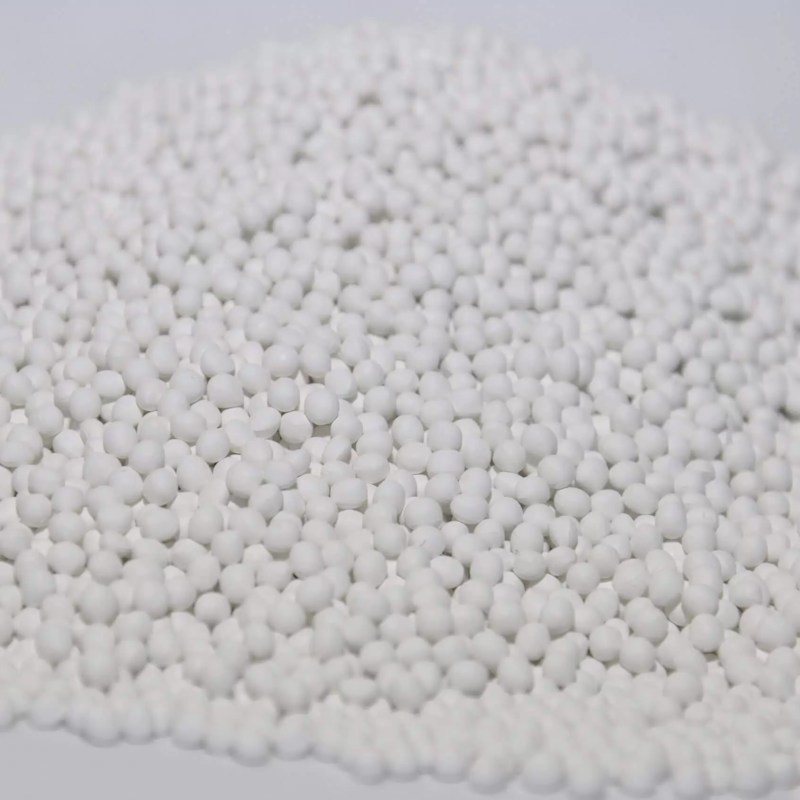
The carrier resin is another critical factor affecting the price of White Masterbatch. The carrier resin needs to be compatible with the base material (such as PE, PP, or PET) to ensure proper dispersion and processing efficiency.
● Polyethylene (PE) is commonly used and typically results in lower-priced masterbatches because of its lower processing costs.
● Polypropylene (PP) and Polyethylene Terephthalate (PET) are used for more rigid products or high-temperature applications, which increases their cost due to the more complex manufacturing process and higher performance requirements.
Incorporating additives into White Masterbatch can enhance its performance but also increases the price. Additives such as UV stabilizers help protect plastic products from sun damage, while heat resistance additives ensure stability during high-temperature processing.
● UV stabilizers are particularly useful for outdoor applications, where prolonged sun exposure is common, and they raise the cost.
● Heat resistance additives are essential for applications requiring high-temperature stability, such as in engineering plastics, but they also contribute to higher prices.
The quantity of White Masterbatch ordered can significantly impact the price. For larger orders, manufacturers often offer discounts, reducing the price per kilogram.
● Small orders typically come with higher costs per kilogram due to the setup costs involved in production.
● Bulk orders lead to a lower price per unit, and most suppliers will provide a discount based on the Minimum Order Quantity (MOQ), making it more cost-effective for large-scale operations.
Choosing the right White Masterbatch involves evaluating various factors such as quality, application type, and performance requirements. Let’s break down the key points to consider during your selection process.
When selecting White Masterbatch, it is essential to assess its quality. The quality directly impacts the final product’s appearance and performance. Key factors to check include:
● Dispersion: Even dispersion of TiO₂ (Titanium Dioxide) is crucial for achieving a uniform color and preventing defects like streaking or discoloration.
● Heat Resistance: The masterbatch must retain its brightness and stability even under high temperatures during processing.
● Melt Flow Index (MFI): MFI determines the flowability of the masterbatch during processing. The right MFI ensures the masterbatch blends well with the polymer and maintains its quality in the final product.
Different plastic processes require specific types of White Masterbatch to achieve optimal results. Here are some typical applications:
Application Process | Masterbatch Requirements | Example Products |
Injection Molding | Good dispersion, high TiO₂ content | Household items, toys, automotive parts |
Film Blowing | High opacity at low addition rates | Food packaging, shopping bags |
Extrusion | High weather resistance, good stability | Pipes, sheets, construction films |
● Injection Molding: Used for making rigid plastic products such as household items, toys, and automotive parts. Choose a White Masterbatch with good dispersion and high TiO₂ content for superior brightness.
● Film Blowing: Often used in food packaging and shopping bags. For film applications, opt for a masterbatch that provides high opacity at lower addition rates.
● Extrusion: For pipe production and sheet manufacturing, a high weather resistance masterbatch is crucial to ensure long-term durability and color retention.
Before purchasing White Masterbatch, assess the specific performance needs of your end product. For instance:
● Opacity and Brightness: Determine how white and opaque you want the product to be. If high opacity is required, select a high TiO₂ content.
● UV Resistance: For outdoor applications, such as automotive parts or construction materials, opt for White Masterbatch with added UV stabilizers to protect the product from fading.
● Heat Resistance: If the product will be exposed to high temperatures, ensure the White Masterbatch has good thermal stability to avoid discoloration during processing.
Understanding the price range for White Masterbatch can help you make an informed decision. Prices vary depending on factors like TiO₂ content, carrier resin, and the presence of performance-enhancing additives.
The price of White Masterbatch generally falls into a few categories:
● Low-range (30%-40% TiO₂): Suitable for indoor products with less demanding opacity requirements. These are more affordable but may lack the durability needed for certain applications.
● Mid-range (50%-60% TiO₂): Ideal for general-purpose plastics like containers, bags, and toys. These typically provide a balance of price and performance.
● High-range (60%-70% TiO₂): Used in premium applications such as automotive parts, outdoor products, or food packaging. These masterbatches are more expensive but offer superior quality and long-term performance.
TiO₂ Content (%) | Price Range (per kg) | Applications |
30% - 40% | Low-range pricing | Basic indoor products |
50% - 60% | Mid-range pricing | General-purpose plastics |
60% - 70% | High-range pricing | Premium uses, automotive, food packaging |
Pricing can also vary depending on the industry. For example:
● Packaging Industry: Prices range from $1.50 to $3.50 per kg, depending on the opacity and UV resistance required for packaging films and containers.
● Automotive Industry: For automotive parts, prices can range from $2.00 to $4.00 per kg, driven by the need for high-performance and weather-resistant properties.
● Medical Industry: White Masterbatch for medical devices may cost $3.00 to $5.00 per kg, considering the strict regulatory requirements and quality standards.
Several external factors can influence the price of White Masterbatch, including:
● Market Trends: Fluctuations in the prices of raw materials such as Titanium Dioxide can cause price changes.
● Supply Chain Issues: Global supply chain disruptions can affect the availability and cost of TiO₂, raising the overall price.
● Economic Factors: Demand fluctuations in industries like automotive, packaging, and construction can also drive prices up or down.
Purchasing White Masterbatch can be tricky, especially when you’re aiming to meet specific performance requirements while staying within your budget. Here are some common mistakes to avoid:
One of the biggest mistakes is opting for low TiO₂ content when your application demands high opacity and brightness. While lower TiO₂ content may seem like a cost-effective choice, it can lead to poor opacity and discoloration in the final product.
● Impact on Quality: Products will appear dull, and you may struggle to achieve uniformity across batches. Applications like food packaging or automotive parts often require high opacity for both aesthetic and functional reasons, so choosing low TiO₂ content could compromise quality.
Each carrier resin interacts differently with the TiO₂ pigment, and choosing the wrong one can lead to significant processing challenges.
● Poor Dispersion: Incompatible carrier resins may cause the TiO₂ particles to clump together, resulting in streaks, uneven coloring, and processing issues.
● Processing Difficulties: For example, choosing the wrong resin for injection molding or film blowing could lead to poor flowability or a rough surface finish.
Not all White Masterbatch is suitable for outdoor or high-temperature applications. If you’re manufacturing products like automotive parts, construction materials, or outdoor packaging, it’s crucial to ensure the White Masterbatch has UV resistance and heat stability.
● UV Resistance: Without UV stabilizers, products may degrade, yellow, or lose their brightness when exposed to sunlight over time.
● Heat Resistance: In high-temperature processing, products without sufficient heat resistance may experience yellowing or degradation at higher temperatures.
Another common mistake is using general-purpose White Masterbatch in specialized applications. For example, food-grade packaging, medical devices, and automotive parts require specific masterbatch formulations designed to meet safety, regulatory, and performance standards.
● Food-Grade Masterbatch: Must meet strict regulations regarding FDA compliance, food safety, and color stability.
● High-Temperature Masterbatch: Essential for components that will be exposed to extreme heat, ensuring durability and appearance.
If you don’t choose the right formulation, you may end up with products that don’t perform as expected, leading to quality issues and customer dissatisfaction.
Finding a reliable White Masterbatch supplier is critical to ensuring you get the right product for your application, at a fair price. Here are some tips on how to identify a trustworthy supplier.
When selecting a supplier, you should evaluate several key aspects to ensure they meet your needs:
● Certifications: Ensure the supplier has relevant certifications like FDA, EU, or RoHS, particularly for industries like food packaging and medical applications.
● Testing Capabilities: Look for manufacturers with comprehensive testing processes that evaluate key properties such as dispersion, UV resistance, and TiO₂ content.
● Customer Reviews: Reading reviews from other buyers can help you gauge the supplier’s reputation for providing high-quality products and reliable customer service.
Not all applications are the same, so sometimes custom White Masterbatch formulations are necessary. A good supplier will offer customization options to meet your unique performance requirements:
● Color Matching: If you require a specific shade of white, ask about custom color matching services.
● Tailored Solutions: For specialized applications, such as high-temperature or food-grade masterbatches, ensure the supplier can provide tailored solutions to meet regulatory standards and performance needs.
● Additives and Performance Enhancements: Suppliers should be able to adjust additives for specific functions, such as UV stabilizers or heat resistance.
White Masterbatch plays a crucial role in the packaging industry, especially for products like food packaging, shopping bags, and containers. Its main function is to provide the bright white finish that enhances product appearance, while also contributing to performance features like UV resistance and color consistency.
● UV Resistance: White Masterbatch in packaging ensures that products can withstand sun exposure, which is especially important for food packaging and outdoor products. The UV stabilizers included in the masterbatch help protect the packaging from fading and degradation over time.
● Color Consistency: White Masterbatch ensures uniformity in appearance, providing consistent whiteness across large production batches, crucial for branded packaging.
● Overall Product Appearance: The bright, smooth finish provided by the White Masterbatch makes packaging more attractive, which is critical in consumer goods like food containers and retail bags.
In the automotive industry, White Masterbatch is used to produce high-performance parts that require superior weather resistance and thermal stability.
● Weather Resistance: Components like bumpers and dashboard trims often experience direct exposure to the elements, which can cause color fading and cracking. White Masterbatch with enhanced weathering properties ensures that these parts retain their appearance and durability.
● Thermal Stability: Automotive parts that undergo high temperatures during production or in use, such as engine parts or exterior trims, need White Masterbatch with high thermal stability to avoid yellowing or degradation.
Application | Key Features Required | Typical Products |
Exterior Parts | High weather and UV resistance | Bumpers, trims, dashboards |
Interior Parts | Durability, high gloss | Seats, interior panels |
White Masterbatch is widely used in the construction industry, particularly for pipes, sheets, and films. The role of White Masterbatch here is not only to provide an aesthetic white finish but also to improve durability and color retention in harsh environments.
● Durability: In construction materials such as PVC pipes and sheets, White Masterbatch adds strength and resilience, ensuring the products withstand the test of time, UV exposure, and extreme weather conditions.
● Color Retention: The White Masterbatch ensures that materials retain their bright appearance even after exposure to sunlight and rain for long periods.
White Masterbatch is essential in the production of medical products and household items, ensuring hygiene, visual consistency, and durability.
● Medical Products: In medical device packaging, such as for syringes, IV bags, and catheters, White Masterbatch ensures the final product has a clean, bright appearance. It also plays a role in maintaining hygienic conditions and preventing contamination.
● Household Products: White Masterbatch is used in a range of household products like containers, buckets, and mugs, providing long-lasting appeal and protecting the color from fading.
Topkey Medical specializes in providing smart manufacturing solutions for medical consumables. The company is recognized for its expertise in high-precision automation, particularly in needle production and medical consumable manufacturing.
● Product Lines: Topkey offers advanced needle assembly machines, ultrasonic welding machines, and other automated production systems tailored for the medical industry.
● Industry Leadership: With over 20 years of continuous development, Topkey has established itself as a leading provider of automated solutions for the medical industry, focusing on optimizing production efficiency and reducing human error.
In its medical consumable manufacturing processes, Topkey Medical uses high-quality White Masterbatch to ensure the consistent color, opacity, and durability of their products.
● AVF Needle Assembly Machines: These machines, used in the production of Arteriovenous Fistula (AVF) needles, rely on White Masterbatch for packaging, ensuring that it meets the stringent medical industry standards for hygiene and aesthetic appeal.
● Medical Consumables: Topkey Medical uses White Masterbatch in their consumables like blood collection devices and catheters to maintain visual consistency and protect product integrity during storage and handling. The high-quality masterbatch ensures that color consistency is maintained across different manufacturing batches.
By using premium White Masterbatch, Topkey Medical ensures that the medical devices they produce not only meet regulatory standards but also perform well under long-term use.
In this guide, we discussed the important factors influencing White Masterbatch pricing and how to choose the right one. HSD Masterbatch offers high-quality solutions, ensuring that your products meet performance standards at competitive prices. With a focus on customer satisfaction and technical excellence, they provide value through consistent quality and tailored services.
A: White Masterbatch is a concentrated mixture of titanium dioxide (TiO₂) used to add whiteness and opacity to plastic products. It is widely used in industries like packaging, automotive, and medical devices.
A: Choose based on factors like TiO₂ content, carrier resin compatibility, and performance requirements such as UV resistance and heat stability for your application.
A: The price depends on TiO₂ content, resin type, additives, and order volume. Higher TiO₂ content and specific performance features like UV resistance can increase costs.
A: White Masterbatch typically ranges from $1.50 to $5.00 per kg, depending on factors like TiO₂ content and industry-specific needs such as UV resistance.
A: TiO₂ is crucial for achieving high opacity and brightness in plastic products. Higher TiO₂ content improves color strength and UV resistance, making it ideal for outdoor and high-quality applications.
