
close
Choose Your Site
Global
Social Media
Views: 0 Author: Site Editor Publish Time: 2025-11-19 Origin: Site


Plastic production is revolutionized by a tiny, yet powerful component: masterbatch. How does this small additive make a big impact? Masterbatch enhances plastic properties, ensuring consistent color and improved performance. In this article, you'll learn how masterbatch transforms various industries, offering benefits like cost-effectiveness and customization. Join us as we explore the vital role of masterbatch in modern plastic manufacturing.
A masterbatch is a concentrated blend of additives or pigments packed into a carrier resin. It comes as tiny pellets or granules that mix into base polymers during plastic production. This mix lets manufacturers add color or special properties to plastics easily and consistently.
Instead of adding raw pigments or chemicals directly, which can be messy and uneven, masterbatch provides a cleaner, more controlled way to enhance plastics. It ensures uniform color and performance throughout the product.
Masterbatch mainly consists of three parts:
● Carrier Resin: The base material holding the additives or pigments. Common carriers include polyethylene (PE), polypropylene (PP), and others compatible with the final plastic.
● Pigments: These provide color. They can be organic or inorganic, depending on the desired shade and heat resistance.
● Additives: These give plastics special features like UV protection, flame retardancy, or anti-static properties.
Together, these components create a powerful additive that improves plastic’s appearance and functionality.
Masterbatches fall into two main categories:
1. Color Masterbatch: Contains pigments to color plastics. It offers consistent, vibrant hues and hides imperfections.
2. Additive (Functional) Masterbatch: Contains additives to boost plastic properties. Examples include: UV stabilizers to prevent sun damage
a. Flame retardants for fire safety
b. Antimicrobial agents to inhibit bacteria growth
c. Plasticizers to improve flexibility
Manufacturers often combine color and additive masterbatches to meet specific product needs.
Masterbatch guarantees uniform color throughout plastic products. Since pigments come pre-dispersed in a carrier resin, it avoids uneven coloration or streaks common when adding raw pigments directly. This consistency is vital for brand recognition and product appeal, especially in industries like packaging and consumer goods. For example, a beverage bottle retains the same vibrant hue every batch, enhancing shelf presence.
Masterbatch adds more than just color. It boosts plastic properties like strength, flexibility, UV resistance, and flame retardancy. Additives such as UV stabilizers protect products from sun damage, extending their lifespan outdoors. Flame retardants improve safety in construction materials. These enhancements help plastics perform well under demanding conditions, ensuring durability and compliance with industry standards.
Using masterbatch streamlines manufacturing. Instead of handling multiple raw additives separately, processors add a single masterbatch pellet mix to the base polymer. This reduces handling errors, dust, and contamination risks. The additives disperse evenly, preventing defects and improving product quality. It also cuts down on labor and time spent measuring and mixing ingredients, speeding up production.
Masterbatch lowers costs by consolidating pigments and additives into one concentrate. It reduces storage needs and waste from handling individual chemicals. Since masterbatches improve dispersion, manufacturers use fewer additives to achieve desired effects, saving material expenses. Additionally, better processing efficiency minimizes downtime and rejects, further cutting costs.
Masterbatches are highly customizable. Formulations can be tailored for specific colors, performance traits, or processing methods. This flexibility suits diverse applications across industries, from automotive to agriculture. Manufacturers can combine color and functional additives in one masterbatch, meeting unique product demands without complex formulations.
Masterbatch supports sustainability by reducing waste and improving material efficiency. Precise dosing means fewer off-spec products and less scrap. Some masterbatches include additives that enhance recyclability or biodegradability. By optimizing raw material use and enabling longer-lasting plastics, masterbatches contribute to lowering the environmental footprint of plastic manufacturing.
Masterbatch plays a vital role across many industries by enhancing the color, durability, and functionality of plastic products. Its versatility makes it a go-to solution for manufacturers aiming to improve product quality and performance. Let’s explore how masterbatch is applied in different sectors.
In packaging, masterbatch ensures consistent, vibrant colors that make products stand out on shelves. It also adds protective features, such as UV stabilizers, which shield packaging from sunlight damage. This is crucial for food and beverage containers, shopping bags, and flexible films that need durability and visual appeal. For example, a brightly colored juice bottle maintains its hue and resists fading during storage and transport.
Automotive manufacturers use masterbatch to produce durable plastic parts like bumpers, dashboards, and trims. It improves heat resistance and color stability, helping parts withstand high temperatures and exposure to sunlight. Flame retardant masterbatches enhance safety by reducing fire risks. The consistent color and enhanced mechanical properties ensure that car components remain reliable and visually appealing over time.
Masterbatch is essential for consumer products such as toys, electronics casings, and household items. It allows precise color control, ensuring products look attractive and uniform. Functional additives improve durability, UV resistance, and even antimicrobial properties for hygiene-sensitive items. For instance, a smartphone case made with masterbatch can resist scratches and maintain its color despite daily wear.
In construction, plastics are used in pipes, cables, panels, and fittings. Masterbatch enhances these materials by improving strength, flexibility, and weather resistance. Flame retardant masterbatches meet strict safety standards for building materials. This means plastic pipes or siding can endure harsh outdoor conditions while maintaining structural integrity and appearance.
Masterbatch contributes to synthetic fibers and textiles by providing consistent color and added performance features. It improves UV protection, stain resistance, and durability of fabrics used in clothing, upholstery, and industrial textiles. This ensures textiles retain their look and function even after repeated use and washing.
Agricultural films, used for greenhouse covers and mulching, benefit from masterbatch formulations that include UV stabilizers and mechanical strength enhancers. These additives extend the lifespan of films exposed to sunlight and environmental stress, helping crops grow in protected, controlled environments. Masterbatch also improves flexibility, allowing films to resist tearing and weather damage.
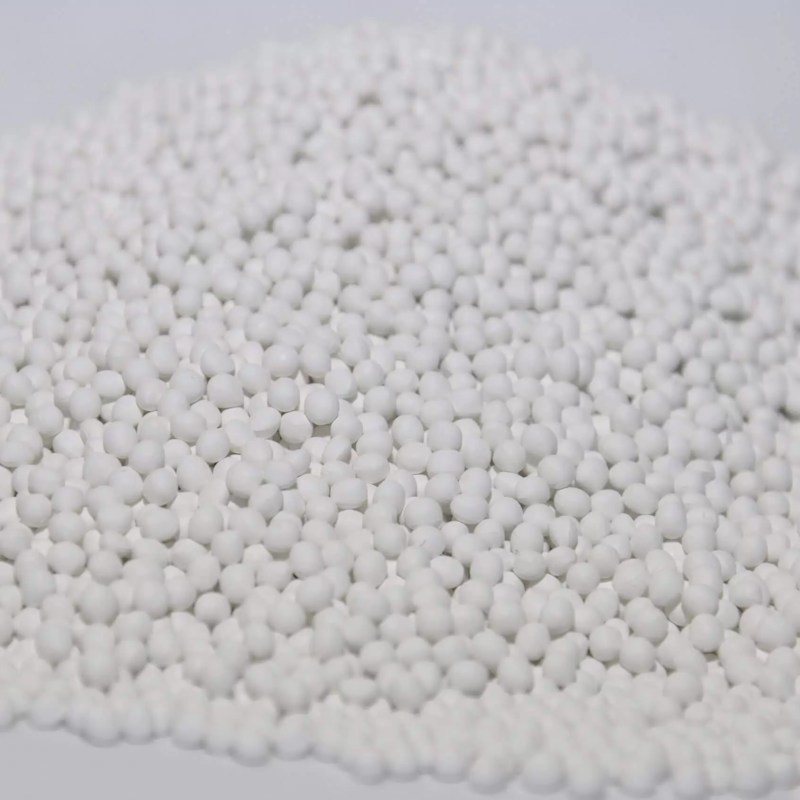
The quality of masterbatch starts with raw materials. The main ingredients include:
● Carrier Resin: Acts as the base that holds pigments and additives. Common carriers are polyethylene (PE), polypropylene (PP), polystyrene (PS), PET, and EVA. The carrier must match the base polymer for smooth blending.
● Pigments and Dyes: Provide color. They come in organic or inorganic forms. Inorganic pigments usually offer better heat resistance.
● Additives: Enhance performance, such as UV stabilizers, flame retardants, antioxidants, antistatic agents, and antimicrobial agents.
● Dispersing Agents: Help spread pigments evenly and prevent clumping.
Using high-purity and compatible raw materials ensures consistent color and reliable performance in the final masterbatch.
Before extrusion, all raw materials undergo precise weighing and mixing to form a uniform blend. This step is crucial to avoid uneven dispersion later.
The process includes:
● Weighing: Accurate measurement of each component based on the formula.
● Dry Blending: Pigments, additives, and carrier resin are mixed in high-speed mixers to create a homogeneous powder or pellet blend.
● Feeding: The blended mixture is then fed into the extruder hopper for melting.
Proper pre-blending ensures the pigments and additives are evenly distributed, setting the stage for high-quality masterbatch production.
Extrusion is the heart of masterbatch manufacturing. It melts, mixes, and compounds the blend into a uniform product.
Key points in extrusion:
● Twin-Screw Extruders: These machines provide excellent mixing and dispersion by applying heat and shear forces.
● Temperature Control: Must be carefully maintained to melt the carrier resin without degrading pigments or additives.
● Screw Speed and Pressure: Adjusted to optimize mixing and pigment wetting.
● Residence Time: Long enough to ensure uniform dispersion but short enough to avoid thermal damage.
This process produces a molten, homogeneous mixture ready for shaping.
Once extruded, the molten material is rapidly cooled and cut into pellets for easy handling.
Steps include:
● Cooling: The extrudate passes through a water bath or air cooling system to solidify.
● Pelletizing: The cooled strands are chopped into uniform pellets.
● Drying: Pellets are dried to remove moisture, preventing defects during plastic processing.
Pellets are then packaged for shipment or immediate use.
Quality checks are vital to ensure masterbatch meets specifications.
Common tests:
● Color Matching: Visual and spectrophotometric checks against standards.
● Melt Flow Index (MFI): Measures flow properties to confirm compatibility with base polymer processing.
● Dispersion Test: Assesses even pigment distribution without clumps.
● Heat Stability: Ensures color and additive stability at processing temperatures.
● Weathering and UV Resistance: Evaluates long-term durability for outdoor applications.
Only batches passing these tests proceed to packaging and delivery.
Masterbatches allow manufacturers to create plastics with vibrant, eye-catching colors and special visual effects that standard coloring methods can't match. For example, metallic masterbatches contain fine metal powders like aluminum, giving a shiny, reflective finish often seen in automotive parts. Pearlescent masterbatches use mica or synthetic pearls to add a soft shimmer, popular in luxury packaging.
Glitter effects come from tiny reflective particles embedded in the masterbatch, creating sparkle for toys and fashion items. Fluorescent or neon masterbatches produce bright, glowing colors visible under UV light, useful in safety gear or signage.
Masterbatch also changes plastic textures to improve both look and feel. Matte masterbatches add a non-glossy finish, making products appear sleek and modern—ideal for premium packaging. Soft-touch masterbatches make surfaces feel smooth and pleasant, perfect for phone cases or remote controls.
Some masterbatches can create antique or vintage effects by dulling the surface or adding a weathered look, often used in furniture or home décor plastics.
Beyond aesthetics, masterbatches enhance plastic performance through functional additives. UV stabilizer masterbatches protect plastics from sun damage, preventing brittleness and color fading, essential for outdoor products like garden furniture or signage.
Flame retardant masterbatches improve fire resistance, vital for electrical components, building materials, and automotive parts. Antimicrobial masterbatches prevent bacteria and mold growth on surfaces, important for medical devices, food packaging, and hygiene-sensitive consumer goods.
Masterbatches can control a plastic's transparency. By adjusting additives and pigments, manufacturers create clear, frosted, or smoked glass-like effects. These are popular in beverage bottles, cosmetic containers, and display cases, where see-through or semi-transparent looks add value.
Choosing the right masterbatch is crucial for achieving the desired properties and quality in your plastic products. Several factors influence this decision:
● Compatibility with Base Polymer: The masterbatch carrier resin must match your base polymer to ensure smooth mixing and processing. For example, a polyethylene (PE) carrier masterbatch works best with PE resins. Using incompatible carriers can cause poor dispersion, processing difficulties, and product defects.
● Functional Requirements: Identify what properties your final product needs. Do you require UV resistance, flame retardancy, antimicrobial protection, or enhanced flexibility? Selecting a masterbatch with the right additives ensures your product meets these demands.
● Color and Aesthetic Needs: Consider the color consistency, brightness, and any special effects like metallic or matte finishes. The masterbatch should deliver the exact visual quality your application requires.
● Processing Conditions: Different manufacturing methods—such as injection molding, extrusion, or blow molding—have unique temperature and shear requirements. Choose a masterbatch formulated for your specific processing technique to maintain stability and performance.
● Loading Level: The concentration of additives or pigments in the masterbatch affects dosage and final properties. Balancing loading levels optimizes cost and product quality.
● Cost Considerations: While quality is vital, budget constraints matter too. Evaluate masterbatch cost relative to performance benefits and potential savings from improved processing efficiency and reduced waste.
Ensuring resin compatibility is one of the most important steps. The carrier resin in the masterbatch must blend seamlessly with your base polymer. For example:
● PE-based masterbatches suit polyethylene products.
● PP-based masterbatches fit polypropylene applications.
● For engineering plastics like ABS or PET, select masterbatches designed for those resins.
Mismatch leads to poor dispersion, uneven color, and processing challenges. Always verify compatibility with your supplier.
Your product’s application guides masterbatch choice. For instance:
● Outdoor products need UV stabilizers to prevent fading.
● Food packaging requires FDA-compliant, food-safe masterbatches.
● Electrical components might need flame retardants.
● Medical devices could benefit from antimicrobial additives.
Understanding end-use ensures the masterbatch delivers necessary protection and compliance.
Many manufacturers offer customized masterbatch formulations tailored to your specific needs. This flexibility helps you achieve unique colors, special effects, or performance traits.
Choose suppliers who provide technical support, testing services, and collaborative development. Strong partnerships help solve production challenges and optimize product outcomes.
Masterbatch enhances plastic production by improving color consistency, performance, and processing efficiency. Future trends in masterbatch technology promise more sustainable and customizable solutions. Foshan Hongshengde Masterbatch New Materials Co., Ltd. provides innovative masterbatch products that offer unique benefits, such as vibrant colors and enhanced durability, tailored to meet diverse industry needs. Their commitment to quality and customer support ensures that their products deliver exceptional value in plastic manufacturing.
A: A masterbatch is a concentrated blend of additives or pigments in a carrier resin, used to color or enhance the properties of plastics.
A: Masterbatch improves plastic production by ensuring uniform color and performance, simplifying processing, and enhancing plastic properties like UV resistance and flexibility.
A: Masterbatch offers cleaner, more controlled addition of color and additives, avoiding the mess and inconsistency of raw pigments.
A: Yes, masterbatch reduces storage needs, minimizes waste, and improves processing efficiency, leading to cost savings.
