
close
Choose Your Site
Global
Social Media
Views: 0 Author: Site Editor Publish Time: 2026-09-30 Origin: Site


Sourcing customized plastics often creates a stark conflict. Procurement teams push heavily for lean inventory to conserve cash flow. Meanwhile, manufacturers demand profitable, large-scale production runs to justify equipment setups. This tug-of-war complicates supply chain planning.
Miscalculating Minimum Order Quantities (MOQs) turns custom projects into dead-stock inventory traps. Furthermore, underestimating lead times causes costly injection molding production line stoppages. These missteps erode project margins rapidly. You cannot afford to guess when scheduling these critical material deliveries.
This article provides a data-oriented framework for procurement and production teams. You will learn to balance inventory carrying costs against production constraints. We will help you ensure on-time delivery without compromising unit economics. You will gain actionable strategies to manage specialized resin orders effectively.
Understanding why manufacturers require minimum orders requires looking at the factory floor. Production is not as simple as flipping a switch. Twin-screw extruders operate at highly specific temperature profiles. They require intensive setup procedures before production begins. The physical realities of manufacturing color masterbatch dictate these minimums.
When changing colors, operators must thoroughly clean the machinery. They use specialized purging compounds to remove previous pigments. This process consumes considerable time. It also wastes raw carrier resins and expensive purging materials. Manufacturers view this waste as a fixed setup cost. They must spread this fixed cost across the entire production run. Small orders fail to absorb these setup costs efficiently. Therefore, suppliers enforce MOQs to maintain basic profitability.
Buyers constantly face an inventory versus unit cost dilemma. Purchasing a bulk 500kg order might yield an attractive unit price discount. However, this discount often hides hidden expenses. Suppose your injection molding project only consumes 100kg per quarter. You must warehouse the remaining 400kg. Warehousing consumes valuable floor space. It ties up operating capital. Additionally, you risk material degradation. Carrier resins can absorb moisture over time. Shelf-life expiration quickly negates any upfront unit cost savings.
You must also distinguish between sample MOQs and commercial MOQs. Lab matching and initial injection molding trials require very little material. You usually need only 1 to 5 kilograms for testing. Commercial production runs scale up dramatically. Depending on the supplier's equipment size, commercial MOQs often range from 25kg to over 1000kg. Using massive production extruders for tiny batches remains physically and economically impossible.
Incomplete technical requirements create massive bottlenecks. Procurement teams often submit vague requests to manufacturers. They might ask for "a standard automotive red." This ambiguity leads to multiple rounds of failed lab matches. Each failed match expands your lead time by weeks. Clearly defining your custom color masterbatch specifications is crucial for speed.
You need a systematic approach to technical requirements. Standardizing your data prevents costly rework. It ensures your supplier understands exactly what you need on day one. Use a comprehensive checklist to guarantee first-time-right matching.
Providing this granular data significantly compresses timelines. Standardizing these specifications before issuing a Request for Quote (RFQ) prevents extensive rework. The laboratory scientists can select the correct pigments immediately. They avoid compatibility issues with your base resin. Consequently, you accelerate the transition from initial lab approval to full-scale commercial production.
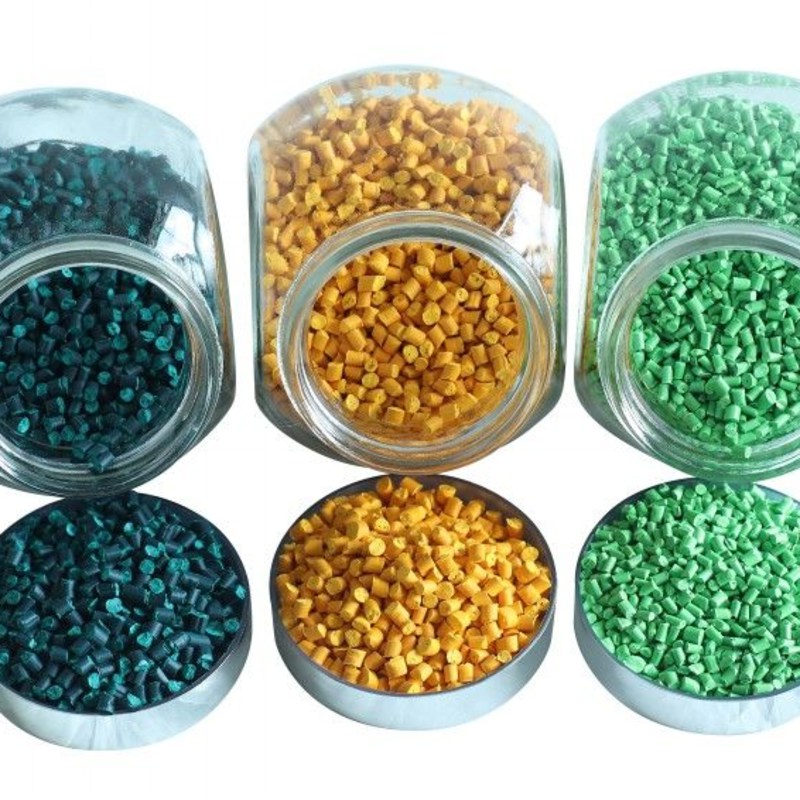
Smart supply chain planning involves proactive time management. You must decouple lab time from production time. Do not view the lead time as one massive block. Break the timeline down into two distinct phases. Phase one is Color Matching. This typically takes 3 to 7 business days. Phase two is Production Delivery. This usually requires 2 to 4 weeks. Managing these phases independently gives you greater control.
Supply chain volatility constantly threatens specific pigments. Global shortages can delay critical raw materials unexpectedly. You can mitigate this risk through strategic flexibility. Consider approving a flexible custom color masterbatch,high quality color masterbatch for injection alternative formulation early in the process. Allowing suppliers a pre-approved list of alternative pigments bypasses sudden stockouts. If their primary red pigment becomes unavailable, they seamlessly switch to your approved secondary option.
You can also use financial agreements to secure speed. Negotiate Blanket Purchase Orders (POs) with phased releases. You commit to purchasing an annual volume that satisfies the supplier's large MOQ. In exchange, the supplier agrees to staggered deliveries. They ship smaller batches on a just-in-time (JIT) schedule. This strategy keeps your warehouse lean. You satisfy the manufacturer's volume needs without drowning in excess inventory.
Choosing the right manufacturing partner dictates your operational success. You must look beyond the lowest per-kilo price. A cheap product delivered three weeks late destroys your profitability. You must evaluate your custom color masterbatch supplier based on their supply chain agility and technical infrastructure.
First, inspect their sampling infrastructure. Ask if the supplier maintains dedicated sampling lines. Elite suppliers utilize small-scale extruders exclusively dedicated to R&D and pilot runs. Some suppliers lack this specialized equipment. They must halt their massive commercial lines to run your 2kg sample. Suppliers using production lines for tiny samples will always have painfully long lead times. They prioritize large commercial orders over your testing needs.
Next, assess their vertical integration and inventory strategy. Do they rely heavily on just-in-time raw material deliveries? They should maintain a robust internal inventory of common carrier resins. They must stock popular pigments securely. This raw material safety stock buffers you against global supply chain shocks. A vertically integrated supplier acts as a shield during market turbulence.
Finally, scrutinize their quality assurance protocols. Speed means nothing if the color varies between shipments. Ask how they guarantee color consistency from lot-to-lot. Require concrete evidence of rigorous spectrophotometer testing. Ask to review their standard operating procedures (SOPs). Ensure that expediting a lead time does not result in bypassed quality checks.
You need a mathematical approach to balance unit prices against inventory burdens. Emotion or simple price-tag comparison leads to poor procurement choices. Follow this structured decision framework. It will help you optimize your order volumes intelligently when sourcing custom color masterbatch for your facility.
Use the data from these steps to negotiate smarter contracts. Consider proposing "Make-and-Hold" agreements. Under this structure, the supplier produces the entire MOQ efficiently. However, they hold the inventory in their warehouse. They invoice you only upon releasing staggered shipments. This grants them manufacturing efficiency while saving you warehousing capital.
| Cost Variable | Low MOQ Strategy (Boutique Supplier) | High MOQ Strategy (Bulk Supplier) |
|---|---|---|
| Unit Price | Higher unit cost due to scale inefficiencies. | Significantly discounted per-kilo pricing. |
| Warehousing Cost | Minimal to zero. Material is consumed immediately. | High overhead. Requires dedicated climate-controlled space. |
| Capital Tied Up | Low. Cash remains free for other operations. | High. Cash is locked in physical plastic pellets. |
| Spoilage Risk | Virtually eliminated through fast turnover. | Elevated. Moisture absorption threatens material performance. |
Successfully managing minimum orders and lead times requires a strategic mindset shift. You must move away from purely transactional purchasing. Instead, embrace highly collaborative supply chain planning. The cheapest unit price often hides the most expensive logistical bottlenecks. You protect your margins by balancing direct costs against operational agility.
Prioritize establishing crystal-clear technical specifications immediately. Seek manufacturing partners capable of offering tiered delivery schedules. Initiate your procurement conversations early in the product development phase. Do not wait until weeks before mass production kicks off. Proactive communication ensures your production lines run smoothly, profitably, and without interruption.
A: Initial lab matching typically takes 3 to 7 business days. This timeframe assumes you provided clearly defined specifications. You must supply an exact physical sample or a recognized digital color code. Furthermore, you must define the exact base resin compatibility beforehand.
A: Yes, many suppliers offer pilot-run flexibility. They often permit small orders, such as 25kg batches, specifically to support your testing phase. They usually charge a premium price for this service. However, they frequently credit this premium against your first commercial-scale bulk order.
A: Absolutely. Special effects like metallic or pearlescent finishes require unique formulations. Highly regulated compliance requirements, such as medical or food grade, demand specialized raw materials. These materials carry their own rigid supply chain constraints. Consequently, complex requirements typically drive up the final required order volume.
