
close
Choose Your Site
Global
Social Media
Views: 0 Author: Site Editor Publish Time: 2025-12-16 Origin: Site


The black masterbatchesmarket is vital across industries, from plastics to automotive. With growing demand, technological advancements, and sustainability concerns, this market is set to rise by 2025. In this article, you will learn about what black masterbatches are, the key trends shaping the market, and the challenges and opportunities ahead.

Black masterbatches are concentrated mixtures of carbon black and polymers, which are used primarily to color plastics and enhance their properties. These masterbatches provide excellent color consistency, UV resistance, and high durability. As a result, they are widely used in automotive, packaging, consumer goods, and textiles. The market for black masterbatches has shown consistent growth, and 2025 is expected to see a further rise in demand, as industries focus on quality, eco-friendliness, and cost-efficiency.
Several trends are influencing the black masterbatches market, including:
● Sustainability: Eco-friendly and recyclable black masterbatches are gaining traction due to environmental regulations and consumer demand for greener products.
● Technological Advancements: Innovations in manufacturing techniques and new formulations are making black masterbatches more versatile and effective in meeting industry demands.
● Increasing Demand in Automotive and Packaging Industries: The growing use of black masterbatches in automotive parts and packaging materials is one of the primary growth drivers.
The market for black masterbatches is expected to experience steady growth, particularly in regions with expanding industrial bases such as Asia Pacific, North America, and Europe. Factors such as rapid industrialization and the growing use of recycled plastics are fueling this expansion.
Black masterbatches are a type of concentrated polymer used to impart color and functional properties to plastics. They are mainly composed of carbon black (a fine particulate of carbon) mixed with a polymer base. This combination ensures consistent coloring and enhances the physical properties of the final product.
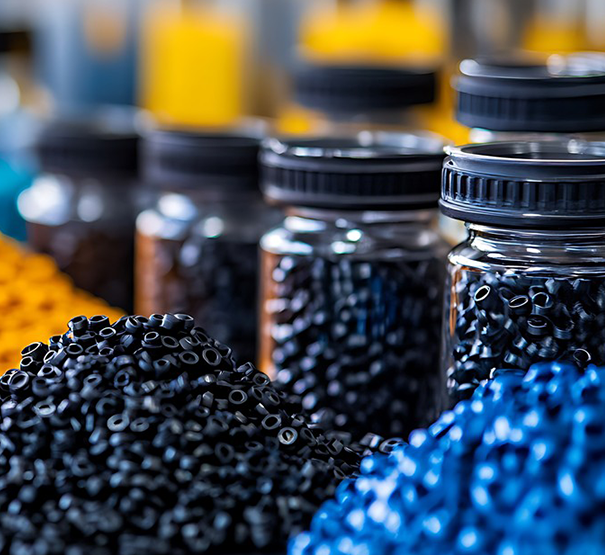
The production process for black masterbatches involves dispersing carbon black into a polymer carrier under high shear conditions. This ensures that the carbon black particles are evenly distributed throughout the polymer. The mixture is then processed into pellets that can be easily incorporated into manufacturing processes for plastics.
Black masterbatches are used in various industries, including:
● Packaging: Used for coloring films and containers.
● Automotive: Applied in exterior components, interior parts, and trim.
● Textiles: Utilized for coloring fabrics, particularly in synthetic fibers.
● Consumer Goods: Incorporated into household products such as bins, storage containers, and appliances.
The black masterbatches market is poised for steady growth, with a focus on sustainability and efficiency. The global demand for black masterbatches is projected to reach new heights in 2025, driven by increased industrialization and environmental regulations across the globe.
Region | Market Size (in million USD) | Growth Rate (CAGR) |
North America | 1,500 | 5.5% |
Europe | 2,000 | 4.8% |
Asia Pacific | 3,500 | 6.2% |
Latin America | 800 | 4.0% |
Middle East & Africa | 600 | 3.7% |
Several factors are propelling the demand for black masterbatches, including:
● Demand for Durable Products: Industries such as automotive and packaging require masterbatches that offer durability and resistance to UV rays and weathering.
● Technological Advancements: Innovations in product formulations are making black masterbatches more adaptable to various production processes and applications.
● Environmental Awareness: A shift toward sustainable production practices and eco-friendly materials is pushing the adoption of black masterbatches made from recycled materials.
Increased R&D investment has led to the development of more efficient and environmentally friendly black masterbatches. These include products made with biodegradable polymers or from recycled plastic, which align with growing environmental concerns in the market.
Some of the key players in the black masterbatches market include:
● Clariant: Known for its high-quality color masterbatches and specialty additives.
● A. Schulman (now part of LyondellBasell): A major supplier of black masterbatches with a focus on performance.
● Cabot Corporation: Offers innovative carbon black solutions for a range of industries.
The black masterbatches market is competitive, with several players focusing on expanding their market share through mergers, acquisitions, and partnerships. Leading companies invest heavily in R&D to create advanced products that meet the evolving needs of customers across various sectors.
The availability and cost of raw materials, particularly carbon black, play a significant role in shaping the market dynamics. Any disruption in the supply chain of these materials can result in price fluctuations and affect overall production costs.
As governments and industries worldwide prioritize sustainability, black masterbatch manufacturers are increasingly focusing on eco-friendly solutions. This includes using sustainable sources for raw materials and designing products that are easier to recycle.
Consumers are becoming more conscious of the environmental impact of their purchases, which is leading to a shift in demand for products made with eco-friendly black masterbatches. Companies are responding by offering solutions that meet these preferences.
Global supply chain disruptions, such as those caused by the COVID-19 pandemic, have affected the availability of key raw materials for black masterbatches. This has led to increased production costs and has created uncertainties in the market.
Fluctuating raw material prices, particularly for carbon black, are a significant challenge for manufacturers. These price shifts can affect the cost of black masterbatches and, consequently, the pricing for end-users.
As governments impose stricter regulations to combat plastic pollution, manufacturers of black masterbatches are under pressure to develop sustainable products that comply with these new laws. This requires investment in research and innovation.
As industrialization accelerates in regions such as Asia Pacific, the demand for black masterbatches is expected to grow significantly. These emerging markets offer significant opportunities for manufacturers to expand their customer base and increase market share.
There is a growing need for innovation in the black masterbatches market. Manufacturers are exploring new formulations, such as using recycled plastic and biodegradable polymers, to meet the demand for more sustainable solutions.
Collaborations and mergers are becoming increasingly common in the black masterbatches market. These strategic moves allow companies to access new technologies, expand their product offerings, and improve their market positioning.
The black masterbatches market is set to experience significant growth by 2025, driven by the increasing demand for durable, eco-friendly products in various industries. Technological advancements, environmental concerns, and market dynamics will continue to shape this evolving sector.
Looking ahead, the black masterbatches market will see a shift toward sustainable, recyclable solutions. As demand continues to rise across automotive, packaging, and consumer goods sectors, companies will need to focus on innovation to stay competitive.
Black masterbatches remain a crucial component for coloring and enhancing plastics. With technological improvements and the growing focus on sustainability, the market for black masterbatches in 2025 presents ample opportunities for both established and emerging players in the industry.
HSD is a professional high-tech enterprise specializing in the research, development, production, and sales of various masterbatch types. The company is committed to achieving high product quality and stability, addressing challenges in the industry, and providing reliable solutions to meet customer needs.
A: Black masterbatches are concentrated blends of carbon black and a polymer carrier, primarily used to color plastics. They provide consistent color, UV resistance, and improved mechanical properties for a variety of industries, including automotive, packaging, and consumer goods.
A: Black masterbatches are used in various applications, such as coloring automotive parts, packaging films, and consumer goods like appliances. They are incorporated into plastic products to enhance their durability, UV resistance, and appearance.
A: Black masterbatches are crucial because they improve the appearance, strength, and UV stability of plastic products. They also help in producing high-performance plastics that are more durable and resistant to environmental factors, especially in automotive and packaging sectors.
A: The price of black masterbatches is influenced by factors such as raw material costs (especially carbon black), production methods, and the scale of production. Market demand, regulatory changes, and environmental considerations also impact pricing.
